More Than 500 Dead in Tanzania Post-Election Violence, Inquiry Reveals
Tanzania inquiry reports 518 deaths following post-election protests, calling for further investigations into accountability.
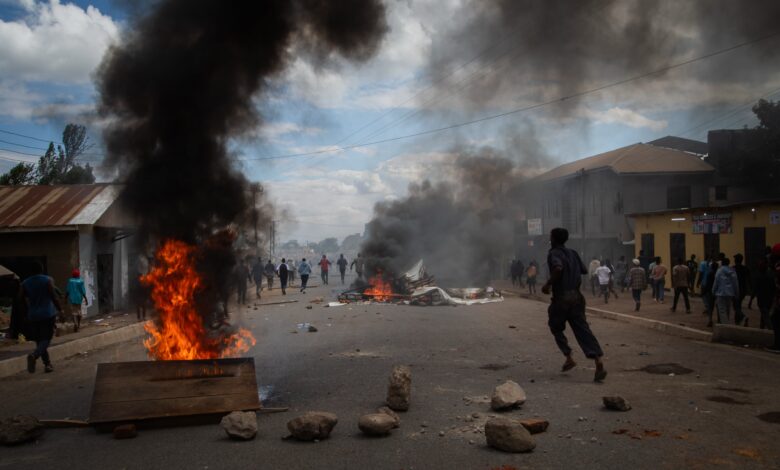
- 518 deaths recorded after election unrest
- Commission calls for further investigation
- Opposition disputes findings as a cover-up
A government-commissioned inquiry has reported that 518 people died in Tanzania following violent protests that erupted after last year’s general election.
The commission of inquiry said the deaths were caused by “unnatural causes” linked to the unrest, but its chairperson, Mohamed Chande Othman, did not assign responsibility and called for further investigations.
The violence followed the disputed 29 October election, which saw President Samia Suluhu Hassan declared winner with 98% of the vote—a result rejected by opposition parties as undemocratic. The president insisted the election was free and fair, while also accusing foreign actors of fueling unrest.
International observers, including the African Union and the Southern African Development Community (SADC), previously raised concerns about transparency and democratic standards during the vote.
The inquiry’s findings come amid long-standing allegations from opposition groups and human rights organisations that security forces used excessive force against protesters. Video footage verified by the BBC last year showed police firing tear gas and live rounds as demonstrators fled.
Commission chair Othman reported that among the 518 dead were 490 men, 21 children, and 16 security officers, with at least 197 fatalities caused by shotgun wounds. He also noted that the real toll could be higher due to unreported burials.

More than 2,000 people were injured during the unrest, including security personnel.
Opposition party Chadema dismissed the report as a cover-up, accusing authorities of attempting to whitewash state actions.
President Samia, responding to the report, said the findings had “shaken the nation” but defended security forces, claiming they prevented chaos and anarchy.
The commission concluded that the violence was driven by a mix of political, economic, and social grievances, including unemployment and demands for reform, but also stated that the protests were neither peaceful nor lawful.
It further recommended compensation and medical support for victims, a national day of mourning, constitutional reforms before the next election, and the creation of a new reconciliation commission.