Sunyani West Records 70 New Cases of Elephantiasis and Hydrocele
Sunyani West raises alarm over surge in neglected tropical diseases across communities
- Municipality records 70 new cases of elephantiasis and hydrocele
- Suspected Buruli ulcer cases detected in multiple communities
- Stakeholders urged to strengthen collaboration and public health education efforts
The Sunyani West Municipality has recorded a concerning increase in skin-related Neglected Tropical Diseases (NTDs), with 70 new cases of hydrocele and elephantiasis reported across several communities.
The Municipal Disease Control Officer, Benedicta Oppong Fremah, described the situation as alarming, noting that additional suspected cases of Buruli ulcer have also been identified. Samples from these cases have been sent for laboratory testing.
She indicated that the affected communities include Tanom, Kobedi, Chiraa, and Boffourkrom, and called for stronger collaboration among stakeholders to curb the spread of the diseases.
Mrs Oppong Fremah made these remarks during a meeting in Odomase with officials from Global Media Foundation (GloMeF) and Tim Africa Aid Ghana—non-governmental organisations implementing an NTD-focused project in the municipality.
The meeting also served to introduce a delegation from the Anesvad Foundation, which is funding the Community Integration and Systems Strengthening Project aimed at reducing the burden of skin-related NTDs.
The delegation, led by Programme Manager Naomi Dring and Ghana Focal Point Melvin Awantang, visited the municipality to assess the project’s impact and gather feedback on its implementation.

Sunyani West Municipal Director of Health Services, Stephen Nyarko Ameyaw, emphasised the importance of strong partnerships in improving health outcomes. He called for increased support to expand public education on NTDs.
Meanwhile, Municipal Coordinating Director Ibrahim Habila expressed concern about deaths caused by preventable diseases such as cholera and typhoid, as well as other waterborne illnesses in the area.
He commended the NGOs and their partners for their interventions and reaffirmed the Assembly’s commitment to supporting the project. He added that efforts are underway to improve access to safe drinking water in local communities.
Naomi Dring praised the collaboration between local authorities and partner organisations, expressing optimism about achieving the project’s goals.
Raphael Godlove Ahenu, Founder and CEO of GloMeF, explained that the initiative adopts a comprehensive approach, combining water infrastructure development, hygiene education, and community-led systems to reduce the prevalence of skin NTDs.
Edward Ayabila, Programmes Manager of GloMeF, noted that NTDs remain endemic in the municipality and urged authorities to incorporate disease control strategies into the Assembly’s medium-term development plans.
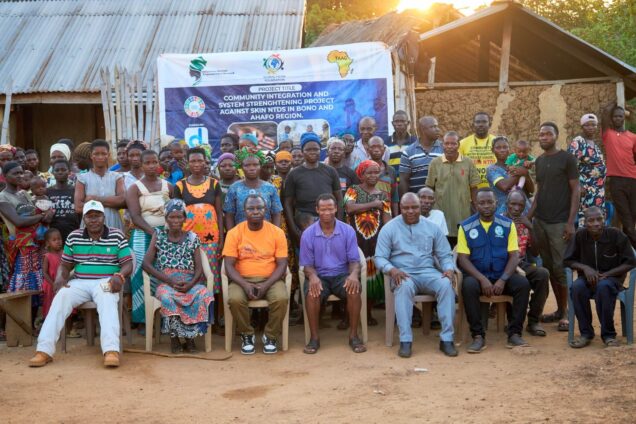
As part of the project, the Anesvad Foundation handed over a mechanised borehole to the chiefs and residents of the Chiraa-Canada community.
Beneficiaries also shared how the intervention has improved access to healthcare and enhanced their livelihoods.