MTN Ghana Foundation Commissions GH¢15m Accident and Emergency Centre at Ho Teaching Hospital
New 30-bed emergency facility expected to improve trauma care, reduce referrals and strengthen healthcare delivery in the Volta Region.
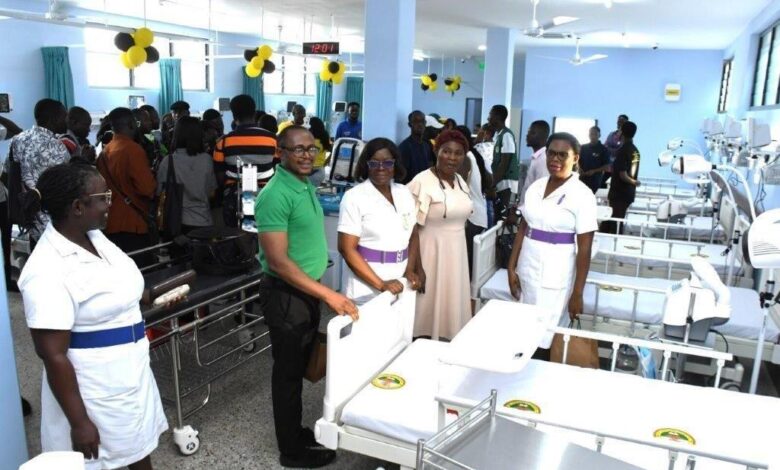
- MTN Ghana Foundation commissions GH¢15.4m emergency centre at Ho Teaching Hospital.
- New 30-bed facility boosts emergency care capacity.
- Project expected to reduce referrals and improve survival rates.
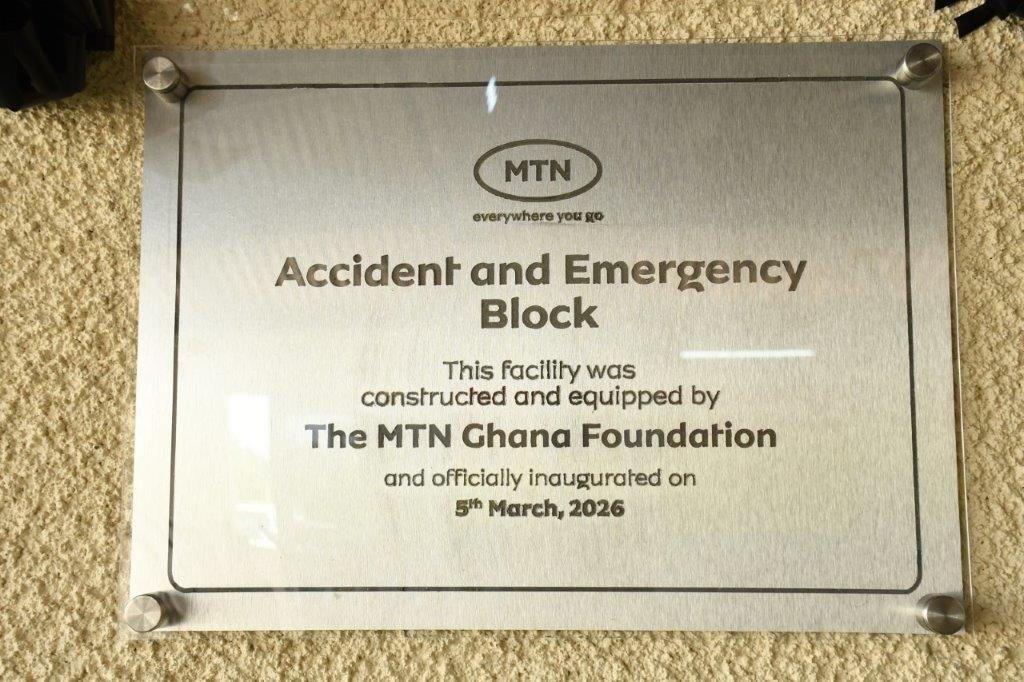
The MTN Ghana Foundation has officially handed over a newly expanded Accident and Emergency Centre at the Ho Teaching Hospital, a project valued at GH¢15.4 million aimed at improving emergency healthcare services in the Volta Region.
Speaking at the commissioning ceremony on March 5, the Volta Regional Minister, James Gunu, praised the initiative, describing it as a significant investment that will strengthen healthcare delivery in the region. He noted that enhancing critical health infrastructure is vital for regional development and commended the Foundation for supporting the government’s vision of providing quality healthcare to all Ghanaians.
The Chief Corporate Services and Sustainability Officer of MTN Ghana, Adwoa Wiafe, reaffirmed the Foundation’s commitment to promoting accessible healthcare. She emphasized that health is a fundamental right and stressed the need for collective efforts to ensure equitable healthcare services.

According to her, the upgraded emergency facility, built to international standards, is designed to reduce congestion, improve patient flow, and enhance the hospital’s ability to respond to emergencies across the region.
Chief Executive Officer of the hospital, Hintermann K. K. Mbroh, described the new centre as a major step forward for emergency care. He explained that the emergency department serves as the hospital’s frontline for urgent medical cases, and the improved infrastructure will allow medical staff to respond more quickly and effectively to life-threatening conditions.
Chairman of the hospital’s board, Delanyo Dovlo, also described the project as a key milestone in the hospital’s ambition to become a centre of excellence in clinical care and medical training.

Meanwhile, the Vice-Chancellor of the University of Health and Allied Sciences, Lydia Aziato, called for sustained collaboration to further expand specialised services, particularly in areas such as cardiac and maternal healthcare. She noted that improved infrastructure also strengthens the university’s capacity to train future healthcare professionals.
The newly expanded 30-bed emergency facility significantly improves the hospital’s ability to manage trauma cases, sudden illnesses, and other life-threatening emergencies. It is equipped with modern medical technology including patient and cardiac monitors, portable ultrasound machines, ventilators, electrocardiogram (ECG) machines, and defibrillators with pacemaker capabilities.
Additional equipment installed at the centre includes arterial blood gas analysers, haematology and biochemistry analysers, blood storage refrigerators, infusion pumps, suction devices, crash carts, blood warmers, hospital beds, stretchers and examination lamps. The building also features an elevator to improve accessibility for critically ill patients and persons with disabilities.
Hospital management has been encouraged to prioritise proper maintenance of the facility to ensure long-term service delivery. The upgraded centre is expected to reduce referrals to other hospitals and improve survival rates for critically ill patients across the region.
The MTN Ghana Foundation has previously undertaken several development projects in the Volta Region, including the construction of a 60-bed maternity and neonatal intensive care unit at the Keta Municipal Hospital, improvements to the Kpedze Health Centre and the installation of a potable water system for the Kpeve community.
Other dignitaries present at the ceremony included representatives of the Asogli Traditional Council, members of the MTN Ghana Foundation board and officials from the security services.