(VIDEO) Parliament Marks World Preeclampsia Day with Call for Improved Maternal Care
Prof Titus Kofi Beyuo urges stronger awareness, early detection and better healthcare support to tackle pregnancy-related complications.
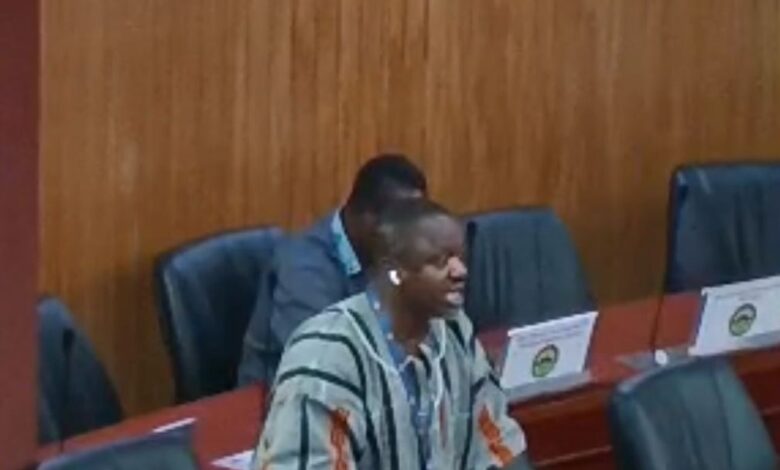
- Parliament observed World Preeclampsia Day.
- Prof Beyuo warned about the dangers of preeclampsia.
- He called for stronger maternal healthcare support.
Parliament of Ghana last Friday marked World Preeclampsia Day with a strong call for increased awareness and improved maternal healthcare to address the dangers of preeclampsia during pregnancy.
Delivering a statement on the floor of Parliament, Prof Titus Kofi Beyuo, who also serves as Board Chairman of the Korle-Bu Teaching Hospital, described preeclampsia as one of the most life-threatening yet often silent complications affecting pregnant women.

He explained that preeclampsia is a hypertensive disorder in pregnancy marked by high blood pressure and the presence of protein in the urine. According to him, the condition can also affect vital organs such as the liver, kidneys and brain, and may progress into eclampsia, which can trigger convulsions and force premature delivery.
Prof Beyuo noted that the World Health Organization estimates that preeclampsia affects about 10 million pregnancies globally each year and contributes to between 50,000 and 76,000 maternal deaths annually. He added that more than 70 percent of these cases occur in low- and middle-income countries, including Ghana.
The Lambussie MP explained that although the exact cause of preeclampsia is still unknown, the condition is often associated with abnormal placenta development. He identified obesity, diabetes, kidney disease, previous experiences with preeclampsia and pregnancies at very young or advanced maternal ages as some of the major risk factors.

He warned that preeclampsia frequently develops without obvious symptoms in its early stages, making regular antenatal care essential for early diagnosis and treatment. Severe symptoms, he said, may include persistent headaches, blurred vision, upper abdominal pain, convulsions and organ complications.
Prof Beyuo called on the Ministry of Health and related agencies to strengthen maternal healthcare services by ensuring health facilities are adequately equipped with blood pressure monitoring devices, essential medicines, diagnostic tools and magnesium sulfate for the treatment of pregnant women.
He also encouraged families, especially men, to play active roles in supporting pregnant women by accompanying them to antenatal clinics and ensuring they adhere to prescribed medication and medical advice.
From Martin Kwabena Ahwireng Quaye