CDD-Ghana Demands Clear Timeline for Constitutional Reforms
CDD-Ghana urges government to fast-track constitutional reforms and provide a clear implementation roadmap.
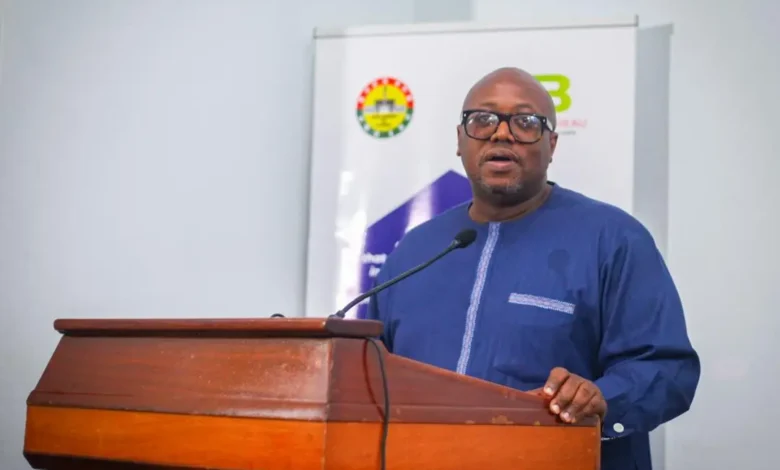
- CDD-Ghana wants a clear reform timeline.
- Cabinet to deliberate on review proposals.
- Dr. Asante calls for swift implementation.
The Ghana Center for Democratic Development (CDD-Ghana) has called on the government to provide a clear roadmap and timeline for implementing proposed constitutional reforms, warning against delays that could undermine the process.
Ghana’s constitutional review process has been underway for more than a decade. Momentum increased after President John Dramani Mahama established a Constitutional Review Committee in 2023 to assess the operation of the 1992 Constitution and recommend reforms. The committee submitted its report to the President in December 2025 following nationwide consultations.

The government has since announced plans to establish a Constitutional Review Implementation Committee (CRIC) to oversee the next phase of the reform process. Civil society organisations, including CDD-Ghana, have urged authorities to publish the full report to allow for broader public scrutiny and participation.
Speaking to Radio Ghana and monitored by lawsonmediaonline.com, Director of Advocacy and Policy Engagement at CDD-Ghana, Dr. Kojo Pumpuni Asante, said Cabinet is expected to undertake extensive discussions on the committee’s recommendations during a retreat before announcing the government’s official position.
According to Dr. Asante, the next critical step should be the establishment of an implementation mechanism to drive legislative reforms and coordinate stakeholder engagement.

“We expect government to publish its disposition paper and move quickly to establish an implementation committee to guide legislation and public engagement around the reform process,” he said.
While acknowledging progress made so far, Dr. Asante stressed the need to accelerate implementation.
“Time has passed, and we need to speed up the process,” he stated.
He noted that previous constitutional review exercises had produced recommendations that were never implemented, stressing that the success of the current effort should be measured by tangible reforms rather than the production of another report.
“We have already produced constitutional review reports in the past. The real difference this time will be whether the recommendations are translated into actual reforms,” he added.
Several proposals under consideration have generated significant public interest, including the election of Metropolitan, Municipal and District Chief Executives (MMDCEs), the separation of Parliament from the Executive by removing the requirement for a majority of ministers to be appointed from Parliament, and reforms aimed at strengthening local governance and decentralisation.
Other proposed changes focus on judicial reforms, regulating discretionary powers of constitutional officeholders, strengthening accountability and anti-corruption institutions, and enhancing the protection of fundamental rights and freedoms.
Dr. Asante emphasised that constitutional reforms are essential for improving governance, strengthening accountability, and enhancing service delivery. He also highlighted the importance of citizen participation in shaping the outcome of the process.
He revealed that a platform comprising more than 90 organisations has been established to promote public engagement and educate citizens on the proposed reforms.
“What we need right now is a clear timeline to help citizens engage effectively in the process,” he said.
CDD-Ghana and other civil society groups have consistently argued that constitutional reform enjoys broad public support and have urged the government to ensure the current review process results in meaningful implementation rather than another set of unfulfilled recommendations.