Former NSA Boss Bribed MP to Prevent ‘Ghost Names’ Exposure – AG
Attorney General reveals shocking evidence of bribery and corruption within the National Service Scheme, as investigators uncover payments made to silence the media.
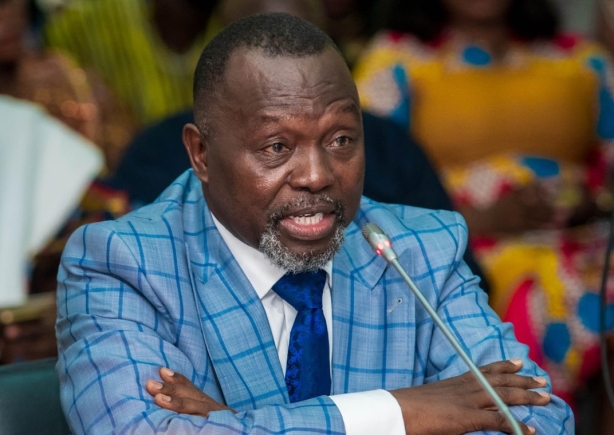
The Attorney General and Minister for Justice, Dr. Dominic Ayine, has disclosed that Osei Assibey Antwi, the former Director General of the National Service Authority (NSA), paid a Ghanaian Member of Parliament (MP) to suppress media coverage of the “ghost names” scandal.
Updating the public on investigations by the Attorney General’s Office and the ORAL team, Dr. Ayine confirmed substantial progress in exposing corruption within the scheme.
According to him, eight suspects linked to the National Service Scheme scandal have been interrogated, with several providing incriminating evidence.
“The National Service scandal probe is nearing completion, and by mid-April, prosecution will commence,” he revealed.
Dr. Ayine further stated that investigators have uncovered evidence of payments made to top NSA executives by private vendors, as well as proof that in November 2024, the NSS CEO and others bribed an MP to prevent media exposure and defend their actions.