21 Pregnant Girls and 17 Nursing Mothers Sit for 2025 BECE in Upper East Region
Highlighting resilience amid challenges, the Upper East Region’s young mothers defy odds to pursue education, sparking urgent calls to address teenage pregnancy
- 21 pregnant girls and 17 nursing mothers are among 19,523 BECE candidates in Upper East Region
- GES ensures dignified exam conditions and warns against malpractice
- High female participation sparks calls to tackle teenage pregnancy
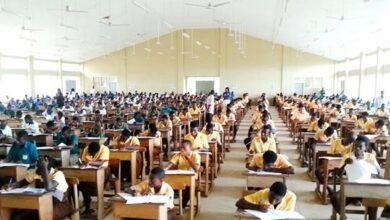
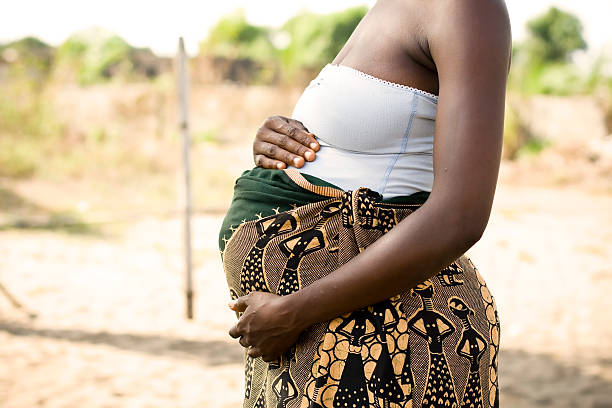
The Upper East Region is facing a notable challenge as 21 pregnant girls and 17 nursing mothers are among the 19,523 candidates registered for the 2025 Basic Education Certificate Examination (BECE).
Nathaniel N-yaaba, the Public Relations Officer for the Ghana Education Service (GES) in the region, highlighted that these figures represent only those cases visible to authorities, suggesting the real numbers may be even higher.
In an interview with Adom News, Mr. N-yaaba shared that the total candidate pool consists of 8,842 boys and 10,681 girls. The exams are taking place at 90 official centers spread throughout the region.
He assured the public that GES is well-prepared to facilitate a smooth, fair, and respectful exam environment for all candidates, including pregnant and nursing mothers, who will be supported to take their exams with dignity.
Additionally, GES has warned against exam malpractice and called on parents to support their children while avoiding overcrowding at exam sites.
The participation of pregnant and nursing girls in the BECE highlights ongoing concerns about adolescent health and education in the region. While many praise the strong female presence in the exams, stakeholders stress the urgent need to address the underlying causes of teenage pregnancy and motherhood.