Morocco Names First Female Prime Minister After Election Victory
Fatima Zahra El Mansouri becomes Morocco’s first woman to head the government after PAM secured the most parliamentary seats.
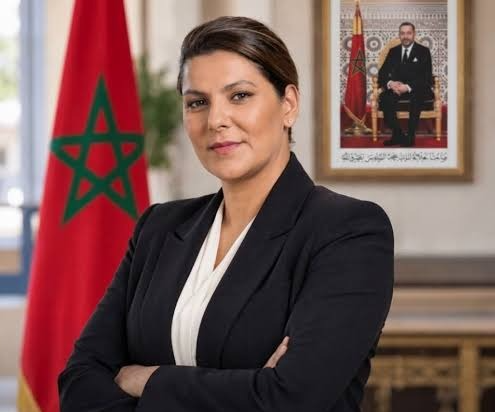
- El Mansouri becomes Morocco’s first female PM.
- PAM wins 97 parliamentary seats.
- New government will require a coalition.
Morocco has appointed Fatima Zahra El Mansouri as its first female prime minister after her Authenticity and Modernity Party (PAM) won the most seats in last week’s parliamentary elections.
Her appointment by King Mohammed VI makes her the second woman to lead a government in the Arab world, after Tunisia’s former Prime Minister Najla Bouden.
The 50-year-old politician was chosen ahead of Fouzi Lekjaa, Morocco’s football chief and another prominent figure from PAM.
El Mansouri, a lawyer by training, has served as mayor of Marrakesh and previously held a ministerial position in the government of former Prime Minister Aziz Akhannouch.
PAM won 97 of the 395 seats in parliament but fell short of the 198 seats required for an absolute majority, meaning the party will need to form a coalition to establish a government.
It remains unclear which parties PAM will partner with, particularly after tensions with the National Rally of Independents (RNI), which led the outgoing coalition government.

The Islamist Justice and Development Party (PJD) won 54 seats, a significant increase from the 13 seats it held in the previous election. However, party leader and former Prime Minister Abdelilah Benkirane has said the PJD will remain in opposition and will not join a coalition with PAM.
Under Morocco’s constitutional system, the king appoints the head of government from the party that wins the most seats in the House of Representatives.
Morocco is a constitutional monarchy, although the king retains significant political powers.
El Mansouri entered politics after PAM was founded in 2008 and became the first woman to serve as mayor of Marrakesh in 2009. She returned to the position following the 2021 elections.
From 2021, she served as minister responsible for national territory planning, urban planning, housing and city policy.
Her appointment marks a historic development for Morocco, where women remain underrepresented in senior political leadership.