- GNPC Foundation has officially launched over 150 projects across the country
- These initiatives have had a significant positive impact on the lives of individuals and communities nationwide.
- Dr. Dominic Eduah provided a detailed overview of the completed and ongoing projects.
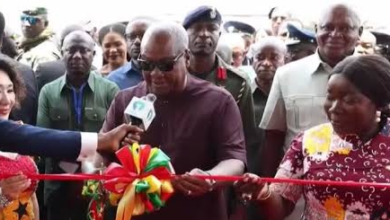
The Ghana National Petroleum Corporation (GNPC) Foundation has officially launched over 150 projects across the country, aimed at improving the living conditions of various communities.
Among the completed projects are astro-turf facilities, boreholes, classroom blocks, Community-based Health Planning Services (CHPS) compounds, and sanitation facilities, which have been implemented since 2017.
These initiatives have had a significant positive impact on the lives of individuals and communities nationwide.
At the unveiling event, some scholarship recipients shared personal testimonies on how their lives have been transformed, and how they, in turn, have contributed to their communities.
Freddie Blay, Board Chair of GNPC, commended the Foundation for its efforts, stating, “These projects and other initiatives are focused on enhancing the standard of living for Ghanaians.”
He also acknowledged the contribution of Takoradi Member of Parliament, Kwabena Okyere Darko-Mensah, for his role in the successful completion of the GNPC Energy House.

Western Regional Minister, Kwabena Okyere Darko-Mensah, emphasized the need for greater awareness of the GNPC Foundation’s impact in the region. “The Foundation must ensure that people in the region fully understand the extent of its contributions. I encourage the Executive Director and his team to embark on a major awareness campaign to showcase the Foundation’s support to different regions and the country at large,” he said.
Awulae Agama-Tu Gyan, the Chief of Gwira Banso and Chairman of the ceremony, also expressed his gratitude to the Foundation for its mission to improve lives and urged the chiefs to take ownership of the projects to ensure their continued success.
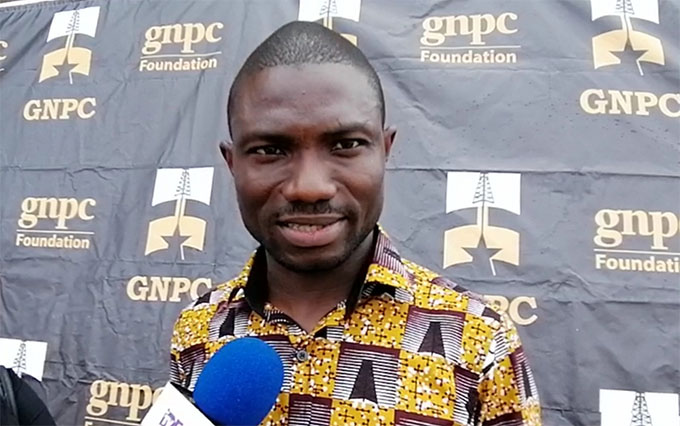
Dr. Dominic Eduah, Executive Director of the GNPC Foundation, provided a detailed overview of the completed and ongoing projects.
He encouraged contractors involved in various initiatives to ensure timely completion of all remaining projects.