GMA Warns of Food-Safety Risks as Enforcement and Lab Capacity Fall Short
Medical Association calls for stronger inspections, better laboratories and improved market conditions to protect consumers.
- GMA blames weak enforcement and poor labs.
- Calls for stronger market surveillance.
- Urges investment in food-safety infrastructure.
The Ghana Medical Association (GMA) has raised concerns about Ghana’s food-safety situation, attributing the problem largely to weak enforcement, inadequate laboratory capacity and regulatory systems that have not kept pace with emerging food-related risks.
The Association said Ghana already has laws and regulations governing food safety, including the Public Health Act, 2012, and the Food and Drugs Authority Act. However, it said weak implementation continues to undermine efforts to protect consumers.
The GMA made the observation in a communiqué issued after its 26th Annual Public Lecture held in Koforidua.
“Ghana’s challenge is not a lack of policy but deficiencies in enforcement, laboratory capacity, and adaptation to emerging risks,” the Association said.
GMA calls for stronger enforcement
The Association urged authorities to expand food-safety enforcement capacity by increasing the number of regulatory personnel and improving laboratory infrastructure across the country.

It also called on the Food and Drugs Authority, Ghana Standards Authority and other relevant institutions to intensify market surveillance to identify and prevent the sale of unsafe, contaminated or adulterated food products.
The GMA identified several potential hazards along the food supply chain, including Sudan Red dye in palm oil, lead contamination in turmeric and spices, adulterated tomato paste, illegal fruit-ripening chemicals, pesticide residues and antibiotic residues in poultry products.
Poor market conditions raise risks
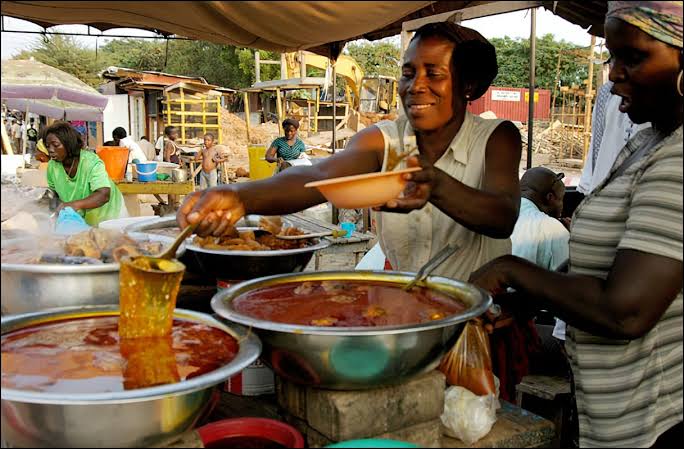
The Association also expressed concern about conditions in some markets, saying inadequate access to potable water, contaminated packaging materials, poor rodent control and weaknesses in food storage and transportation could increase food-safety risks.
It therefore called for greater investment in infrastructure, including reliable potable water supplies in markets, cold-chain facilities and laboratories equipped to identify emerging contaminants.
The GMA further urged authorities to strengthen controls at Ghana’s borders to prevent unsafe food products from entering the country.
District Assemblies were also encouraged to enact and enforce food-safety bylaws to complement national regulations.
Informal sector must be involved
The Association said efforts to improve food safety should involve market traders and operators in the informal food sector as partners rather than treating them solely as subjects of enforcement.
It urged regulators to engage these groups more closely and provide the necessary education and support to help them meet food-safety standards.
According to the GMA, protecting consumers requires coordinated action involving government, regulatory agencies, food producers and businesses, vendors, healthcare professionals and consumers.
“Safe food should be everywhere, regardless of where consumers get it,” the Association said.
The 26th GMA Annual Public Lecture, held on July 24, 2026, focused on “Food Safety in Contemporary Ghana: Public Health Concerns for the Consumer.”