Ghana’s Reserves Fall to US$11.1bn as BoG Flags Fresh External Risks
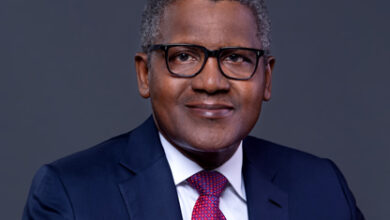
Bank of Ghana Governor Dr Johnson Asiama says rebuilding reserves will be a key priority as declining buffers, a projected current account deficit and a pause in GoldBod exports pose fresh external risks.

- Reserves fall to US$11.1bn
- Import cover drops to 4.2 months
- BoG flags fresh external risks
Ghana’s gross international reserves have declined to about US$11.1 billion as of the end of August 2026, reducing the country’s foreign-exchange buffer to 4.2 months of import cover, according to the Bank of Ghana (BoG).
The latest figures mark a significant decline from the US$14.16 billion recorded in March 2026.
Reserves fell to US$12.94 billion in June before dropping by a further US$1.87 billion by the end of August, leaving the country with a smaller cushion to meet external payment obligations and respond to pressure on the foreign-exchange market.
The decline comes despite strong export performance, particularly from gold.
Ghana recorded a US$8.8 billion trade surplus in the first half of 2026, supported by strong gold and cocoa exports, while the current account surplus stood at US$5.1 billion.
Despite these gains, the latest reserve position means Ghana has lost about 1.5 months of import cover since the end of 2025, when reserves provided 5.7 months of import cover.

The Bank of Ghana has warned that the reduced buffer could become more significant if foreign-exchange demand increases during the traditionally stronger fourth quarter.
BoG Governor Dr Johnson Asiama identified declining reserves, a projected current account deficit and the suspension of gold exports by the Ghana Gold Board (GoldBod) since mid-August as key risks requiring close monitoring.
According to him, these developments will be important considerations for the Monetary Policy Committee as it weighs inflation, exchange-rate stability and economic activity.
“Rebuilding reserves will be a key priority for the Bank in the coming months,” Dr Asiama said.
The suspension of GoldBod’s gold exports adds another layer of uncertainty, given gold’s importance to Ghana’s export earnings and foreign-exchange accumulation.
The latest development comes after a strong improvement in Ghana’s external position during the first half of the year.
The immediate challenge for policymakers, however, is to preserve the gains made in macroeconomic stability while rebuilding the foreign-exchange reserves needed to cushion the economy against external shocks.
With the fourth quarter approaching, the movement of reserves, gold exports and foreign-exchange demand is expected to remain important factors in the Bank of Ghana’s monetary policy considerations.