Czechia Backs Ghana’s Push for Stronger Cybersecurity Awareness
Czech Ambassador Pavel Bílek Urges Greater Regional Collaboration as Kumasi Hosts National Cyber Capacity Building Project

- Czechia Backs Ghana’s Cybersecurity Drive
- Media Urged to Lead Cybersecurity Awareness
- Kumasi Hosts National Cyber Capacity Training
The Czech Republic has reaffirmed its commitment to supporting Ghana’s efforts to strengthen cybersecurity awareness and resilience, particularly through community and regional media.
Czech Ambassador to Ghana, Pavel Bílek, said cybersecurity awareness must not be concentrated in Accra or within specialised institutions but should extend to communities and regions across the country.
His message was delivered by Deputy Ambassador Nick Ojo Omorodion on Thursday, September 3, 2026, at the opening of the Kumasi edition of the National Community Media Cyber Capacity Building Project (NCMCCBP) at the Kwame Nkrumah University of Science and Technology (KNUST).
According to Ambassador Bílek, the Kumasi phase of the initiative represents an important step in transforming the project’s national ambition into a regional reality.
He noted that the first phase, held in Accra, brought together journalists and media practitioners from various media organisations and demonstrated that cybersecurity reporting is not merely a technical issue.


Rather, he said, it involves the protection of journalists and their sources, the credibility of newsrooms, the integrity of investigations and, ultimately, the safety of Ghanaian citizens.
Participants in the Accra phase explored issues including cybercrime, online fraud, misinformation, digital safety, fact-checking and responsible reporting on cyber incidents.
Ambassador Bílek said the project is designed to equip media professionals with practical knowledge to understand cyber threats, protect themselves and their sources, report accurately and translate complex technical information into useful guidance for the public.
He stressed the importance of community and regional media in the fight against cyber threats, noting that such outlets understand the daily realities of the communities they serve and often communicate in local languages.
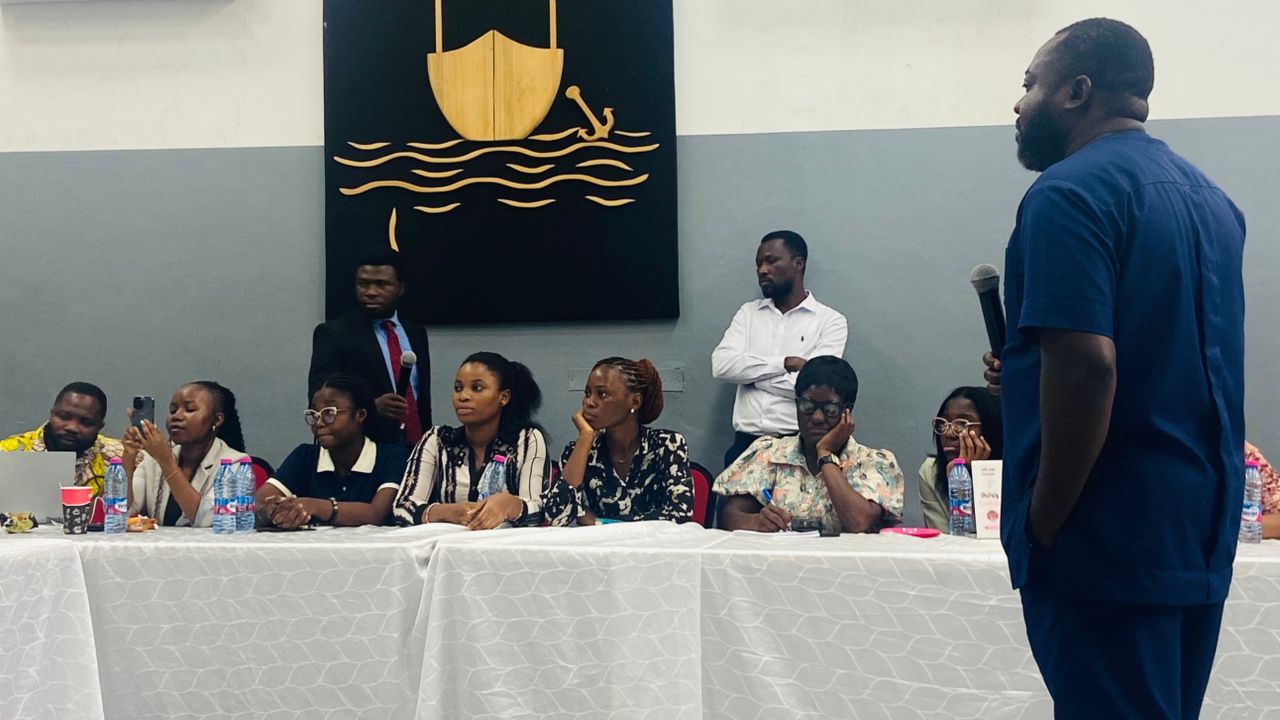
“This makes you, the journalists and media professionals taking part in today’s programme, essential partners in building Ghana’s cybersecurity resilience,” he said.
The Czech Ambassador further encouraged participants to share the knowledge gained with their newsrooms, radio stations, television studios and communities.
He observed that a single trained journalist could reach thousands of listeners, readers and viewers, while one accurate report or clear warning could prevent individuals, families and businesses from falling victim to cyber fraud.
Ambassador Bílek said the initiative forms part of Czechia’s broader cooperation with Ghana, which combines support for specialised law enforcement capacities with public awareness and responsible communication.
He disclosed that Czechia is financing the project through its Transitional Development Cooperation Programme, with the aim of supporting Ghanaian partners to develop solutions that respond to the country’s specific cybersecurity needs.
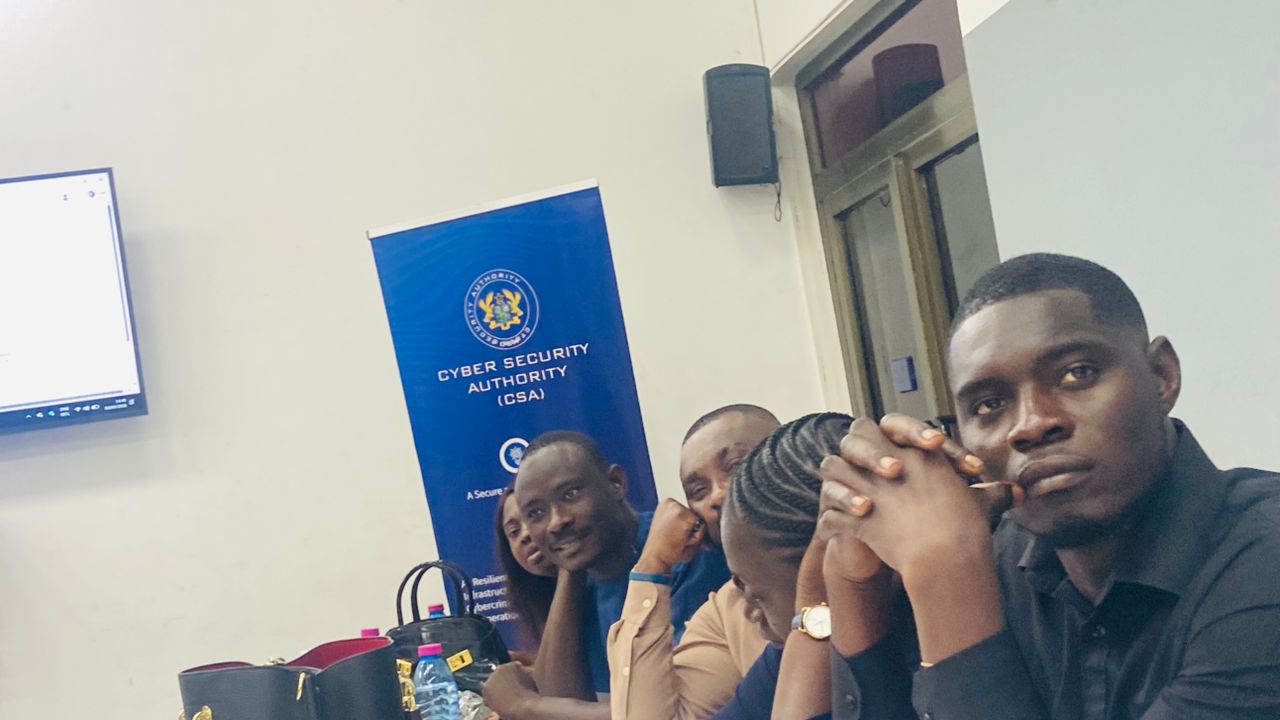
He commended the Africa Center for Digital Transformation for initiating the project, the Cybersecurity Authority for providing its expertise and institutional support, and KNUST for hosting the Kumasi programme.
He also expressed appreciation to the trainers, participating media organisations and all stakeholders involved in bringing the initiative to Kumasi and the Ashanti Region.
Concluding his message, Ambassador Bílek cited the Akan proverb, “Ti koro, nko, agyina,” which emphasises the importance of collective effort.
He said cybersecurity resilience cannot be built by one institution, profession or country alone but requires collaboration among public institutions, security experts, journalists and communities.
He wished participants a successful, practical and inspiring training programme.