Nepal-China Flood: Rescue Operations Halted as Landslide Lake Overflows
More than 480 people have died and over 1,000 remain missing as rescuers face a new flooding threat from an overflowing landslide lake.
- Rescue operations temporarily suspended
- Death toll rises above 480
- Over 1,000 people remain missing
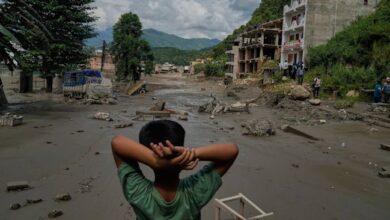
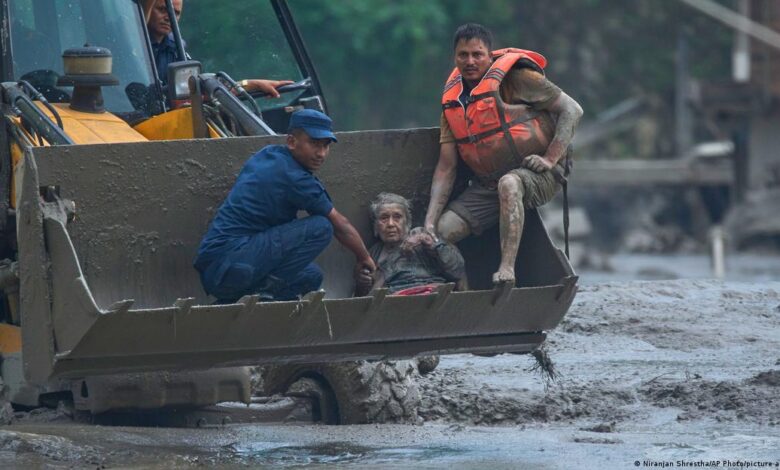
Rescue operations have been temporarily suspended along the Nepal-China border after a lake formed by a landslide began overflowing, raising fears of further flooding in areas already devastated by this week’s deadly flash floods.
Authorities in Nepal’s Rasuwa district said the rising water level posed a serious threat to nearby communities and forced rescuers to pause their operations.
Narendra Pariyar, the district’s most senior bureaucrat, confirmed that officials had received a warning that the lake had breached its banks and that water levels in the river were rising.
Residents in the affected areas were seen fleeing to higher ground as they prepared for a possible surge in river levels.
Chinese rescue personnel were also ordered to withdraw to a safer location due to fears that the lake could burst, according to Chinese state broadcaster CCTV.
Nepalese authorities subsequently suspended rescue operations for about 90 minutes as teams continued efforts to locate hundreds of people still missing following the catastrophic floods.

Nepal Police said the country’s death toll had risen above 480, while China revised its reported fatalities in Tibet from three to five.
More than 1,000 people remain missing across the two countries, including hundreds of foreign nationals from more than 30 countries.
The new threat comes after a glacial collapse triggered massive flows of rock and meltwater into rivers, leaving behind a barrier lake formed by debris upstream.
China’s Ministry of Water Resources said the lake contained about 2 million cubic metres of water as of Thursday and could receive another 3 million cubic metres over the following three days.
Chinese authorities have deployed an engineering team to survey the lake and assess options for draining it safely. Engineers are considering constructing a drainage channel through the debris dam to control the water flow.
However, continued rainfall is expected to further destabilise the surrounding terrain and increase the risk of additional flooding.
Nepal’s Foreign Ministry said it currently does not require foreign assistance for search-and-rescue operations, despite offers from several countries whose nationals remain missing.
Authorities said Nepal’s security agencies are leading the rescue effort, while countries including South Korea, India, China, the United States, Britain, Japan, Sri Lanka and Bangladesh have offered assistance.