Ghana Becomes Unofficial Safe Haven for JNIM as Analysts Warn of Growing Terror Threat
Analysts warn that JNIM fighters may be exploiting Ghana’s porous northern borders as a base to rest, resupply and evade military pressure
- JNIM reportedly uses northern Ghana as a safe haven
- Analysts warn of growing terror threat
- Bawku tensions could be exploited by militants
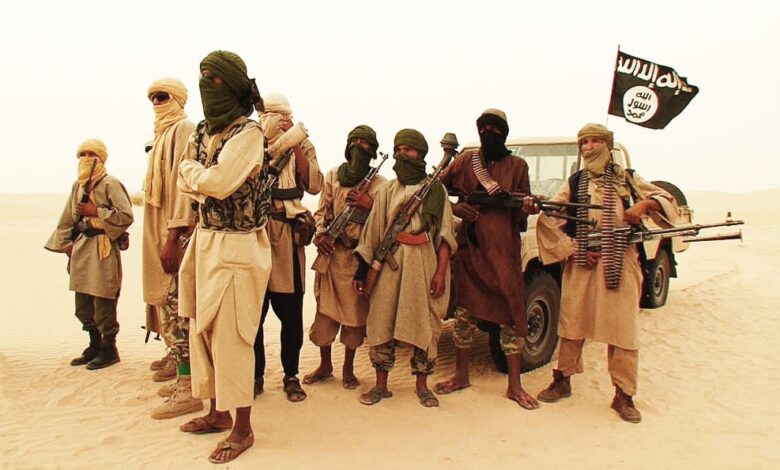
Ghana’s northern border communities are increasingly being described as an unofficial safe haven for Jama’at Nusrat al-Islam wal-Muslimin (JNIM), even as the Sahel-based militant group continues its campaign across neighbouring countries.
Analysts say JNIM has largely avoided carrying out attacks on Ghanaian territory, raising concerns about an alleged informal non-aggression understanding between the group and Ghanaian authorities.
Ghana’s porous northern borders, limited state presence and economic challenges have reportedly created what researchers describe as a “sovereignty gap” that militants could exploit.
According to analysts, JNIM fighters operating around Burkina Faso may use parts of northern Ghana to rest, seek medical treatment, obtain food and replenish supplies before returning to neighbouring countries to conduct attacks.
Researchers at the Netherlands-based Clingendael Institute have suggested that JNIM has an incentive to avoid directly confronting Ghana’s relatively stronger military presence while maintaining access to areas close to its rear.
Border communities such as Hamile and Bawku have also reportedly become trading points for cattle allegedly stolen from communities in Burkina Faso under JNIM influence.

The livestock is believed to be part of a forced “zakat” system imposed on rural communities, depriving families of important sources of food and income.
Frederick Appiah Afriyie, founder of the Center for African Security and Strategic Studies, has warned that Ghana’s current approach could prove dangerous if the militant group expands its activities further south.
He said the threat of JNIM spreading into Ghana has moved beyond a theoretical possibility and is becoming increasingly imminent.
Analysts have also identified the long-running leadership dispute in Bawku between the Mamprusi and Kusasi communities as a potential vulnerability that extremist groups could exploit.
Jessica Moody of the Global Terrorism Index noted that militant organisations have previously taken advantage of communal tensions, particularly conflicts involving farmers and herders.
Afriyie cautioned, however, that an overly aggressive security response could create resentment among local communities and potentially drive vulnerable populations towards extremist groups.
He urged authorities to strengthen cooperation with residents, arguing that local communities should serve as the state’s “eyes and ears” rather than feel occupied by security forces.
Beyond military measures, he called for greater investment in vocational training, economic opportunities and mechanisms for resolving ethnic disputes peacefully.
He stressed that lasting security would depend on legitimate governance and improved economic prospects for communities along Ghana’s northern frontier.