Pregnant Women Avoid Hospitals as Ebola Crisis Sparks Rise in Maternal Deaths in DR Congo
Ebola fears cause pregnant women in DR Congo to avoid hospitals, increasing maternal mortality
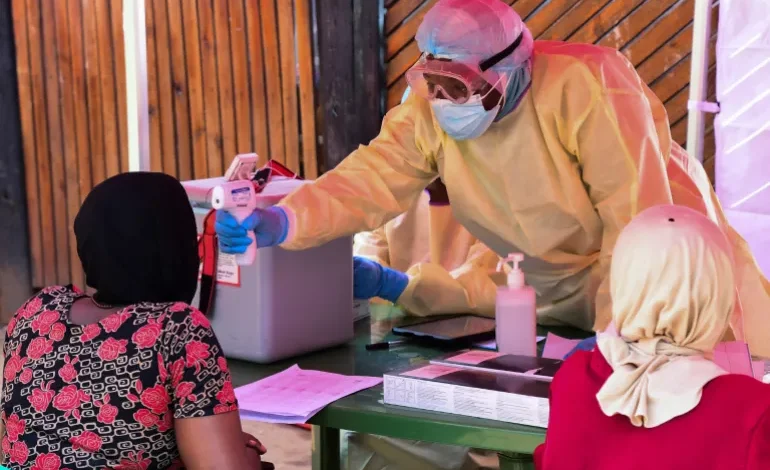
- Pregnant women are avoiding hospitals due to fears of Ebola misdiagnosis and isolation.
- Maternal deaths in Ituri Province have nearly doubled since the outbreak began.
- The strained healthcare system, with resource diversion and health worker shortages, worsens maternal health outcomes.
The ongoing Ebola outbreak in eastern Democratic Republic of Congo is causing a secondary public health emergency, as an increasing number of pregnant women are avoiding hospitals due to fears of infection. This has resulted in a significant rise in maternal deaths across the region.
Health officials report that many expectant mothers are skipping prenatal care and opting to give birth at home, fearing they may be misdiagnosed with Ebola and subsequently isolated.

The similarity between common pregnancy symptoms like fever and Ebola symptoms has heightened anxiety and mistrust towards health facilities.
According to the United Nations Population Fund (UNFPA), maternal mortality in Ituri Province—the epicenter of the outbreak—has nearly doubled since the outbreak was officially declared in May. Weekly maternal deaths increased from an average of 3.1 to 5.8 between late May and mid-July, with more women dying outside of health facilities.
The Ebola crisis has further strained an already fragile health system. Resources have been diverted to combat the outbreak, and many health workers have died, gone unpaid, or fled due to insecurity, leaving fewer staff available to provide essential maternal healthcare.

Aid agencies warn that, given the country’s already high maternal mortality rate, the loss of trust in health services could lead to even more preventable pregnancy-related deaths than Ebola itself.
Since its declaration on May 15, the Ebola outbreak has become the fastest-growing on record, claiming over 1,700 lives and infecting thousands more. This has severely hampered efforts to maintain vital health services in the region.