NPP Demands Clarity Over Mahama’s UK Remarks on Anti-LGBTQ+ Bill
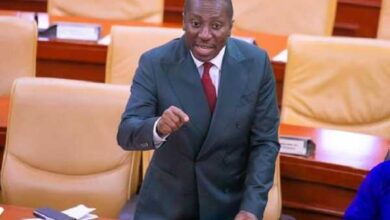
The Minority Caucus is demanding clarification over alleged remarks and assurances made during President Mahama’s UK engagements on the anti-LGBTQ+ Bill.
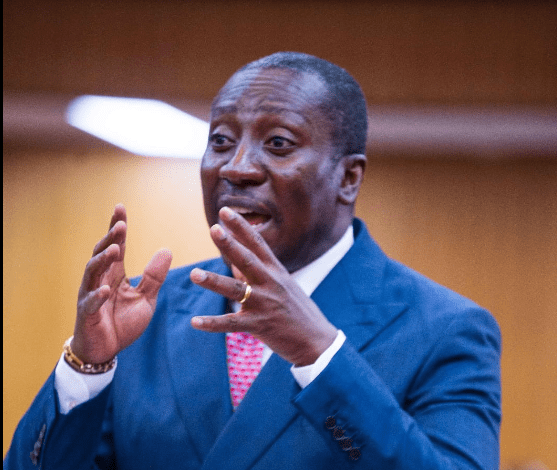
- NPP Minority is demanding clarification over President Mahama’s alleged remarks on the anti-LGBTQ+ Bill during his UK visit
- The opposition claims he may have suggested to UK officials that the Bill is not a government priority
- The Minority is questioning whether any assurances were given to foreign leaders regarding the Bill’s future
The New Patriotic Party (NPP) Minority Caucus has called for urgent clarification from President John Dramani Mahama following comments and alleged diplomatic discussions in the United Kingdom regarding Ghana’s anti-LGBTQ+ legislation.
In a statement issued on June 4, the Minority claimed that remarks attributed to President Mahama during an engagement at Chatham House in London suggested his administration is not prioritising the passage of the controversial Bill.
According to the NPP, the President reportedly indicated that his government is not in a rush to have the legislation enacted, a position the opposition says contrasts with expectations set during the 2024 election campaign.

The Minority further alleged that “certain assurances” may have been given to the British Prime Minister at 10 Downing Street, implying that the Bill remains far from becoming law. However, the party stressed that these claims are based on “reliable information” rather than confirmed evidence.
The statement argued that if proven true, such diplomatic assurances would represent a significant departure from the urgency previously associated with the issue while the NDC was in opposition.

It also raised concerns about transparency, questioning whether the government is making private commitments to foreign partners on a sensitive domestic legislative matter without public disclosure.
The NPP Minority is therefore demanding clarity on whether the President intends to assent to the Bill and whether any commitments were made to foreign governments regarding its legislative future.
The caucus insists the matter goes beyond the legislation itself, framing it as an issue of accountability, trust, and the need for government to remain consistent with its public commitments.