How to Manage Menstrual Cramps
10 Effective Ways to Relieve Menstrual Cramps Naturally and Safely
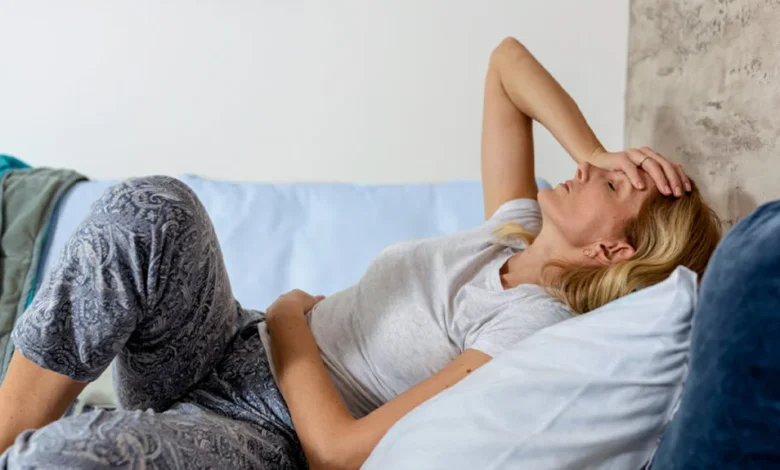
- Heat therapy, hydration, and light exercise can significantly reduce menstrual cramp pain
- Pain relievers and balanced nutrition help manage symptoms more effectively
- Severe or worsening cramps may indicate underlying conditions and should be medically checked
Menstrual cramps, medically known as Dysmenorrhea, are a normal part of the menstrual cycle for many girls and women. They happen when the uterus contracts to help shed its lining. While some people experience only mild discomfort, others may have pain that disrupts school, work, and everyday routines.
The encouraging news is that there are several practical and effective ways to ease the pain and make periods more manageable.
1. Use heat on the lower abdomen
Applying heat is one of the simplest and most reliable ways to relieve cramps. A hot water bottle, heating pad, or warm towel placed on the lower stomach helps relax uterine muscles and improves blood circulation, which reduces pain.
A warm bath or shower can also provide soothing relief and help the body unwind.
2. Use pain relief medication when needed
Over-the-counter nonsteroidal anti-inflammatory drugs (NSAIDs) such as ibuprofen or naproxen can reduce menstrual pain by lowering prostaglandins, the chemicals that trigger uterine contractions.

These medications are often most effective when taken at the first sign of cramps or just before menstruation begins (if cycles are predictable). It is important to follow dosage instructions and seek medical advice if there are any underlying health concerns.
3. Keep your body moving
Although exercise may feel unappealing during cramps, light physical activity can actually help reduce pain. Activities such as walking, gentle stretching, or yoga encourage the release of endorphins, the body’s natural pain relievers.
Regular exercise over time may also help reduce how severe cramps become.
4. Stay well hydrated
Drinking enough water can reduce bloating and help ease menstrual discomfort. Warm drinks like herbal tea, ginger tea, or warm lemon water may be especially helpful in relaxing muscles and reducing inflammation.
It may also help to limit caffeine and sugary drinks, which can worsen bloating and irritability.
5. Eat nourishing foods
Diet plays a role in how the body experiences menstrual pain. Foods rich in magnesium, calcium, omega-3 fatty acids, and vitamins B1 and B6 may help reduce cramps. These include leafy greens, bananas, nuts, seeds, fish, and whole grains.
Reducing intake of salty, processed, and sugary foods can also help minimize bloating and discomfort.
6. Manage stress levels
Stress can intensify the perception of pain. Relaxation techniques such as deep breathing, meditation, listening to calming music, or getting enough sleep can help the body cope better during menstruation.
Even short rest breaks during the day can improve comfort.
7. Try gentle abdominal massage
Massaging the lower abdomen or back can help loosen tight muscles and improve blood flow. Some people also find relief using diluted essential oils like lavender or peppermint during massage.
Combining massage with heat therapy may enhance the soothing effect.
8. Rest in comfortable positions
Certain resting positions can ease pressure and reduce pain. Lying on your side with knees bent or on your back with a pillow under your knees can help relax abdominal muscles.
Listening to your body and resting when needed is important during menstruation.
9. Track your menstrual cycle
Keeping track of your cycle can help you anticipate when cramps are likely to start. This allows you to prepare in advance with pain relief methods, heating pads, and comfortable clothing.
Many people use mobile apps or journals to monitor symptoms and identify patterns.
10. Seek medical advice when necessary
Mild cramps are common, but severe or worsening pain should not be ignored. You should consult a healthcare professional if:
- Pain prevents you from attending school or work
- Cramps become progressively worse over time
- There is unusually heavy bleeding
- Pain begins suddenly after years of mild or no cramps
- Symptoms do not improve with home remedies or medication
Severe menstrual pain may sometimes be linked to conditions such as Endometriosis, uterine fibroids, or pelvic infections.
Conclusion
Menstrual cramps can be uncomfortable, but they can usually be managed with simple lifestyle changes and effective remedies. Heat therapy, regular movement, healthy eating, stress management, and appropriate medication can all make a significant difference.
Understanding your body and responding to its needs can help you stay active and comfortable throughout your menstrual cycle.