Nigeria Charges Six Over Alleged 2025 Coup Plot Against President Tinubu
High-Stakes Trial Tests Nigeria’s Democratic Stability Amid Alleged Coup Conspiracy
- Nigeria charges six individuals over alleged plot against Bola Ahmed Tinubu.
- Case includes accusations of treason, terrorism, and financial support for a coup attempt.
- Trial seen as key test of democratic resilience in the Economic Community of West African States region.
The federal government of Nigeria has charged six individuals with treason and terrorism over an alleged plot to overthrow President Bola Ahmed Tinubu, marking a significant development in concerns about security and political stability in the region.
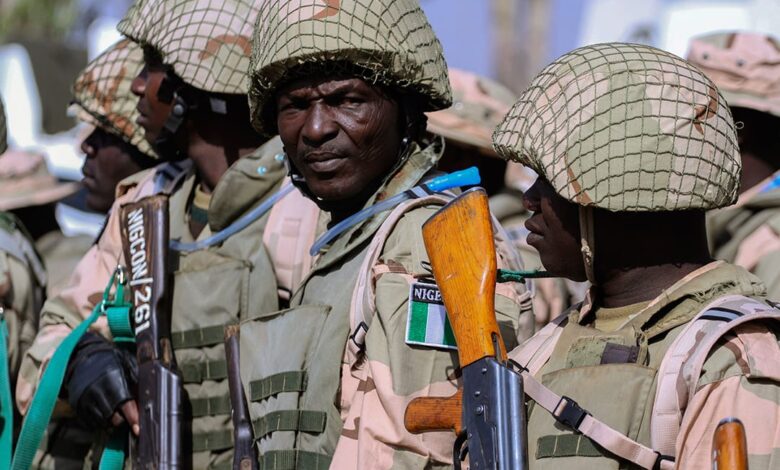
Court documents filed at the Federal High Court in Abuja outline a 13-count charge against a group of suspects drawn from both civilian and security backgrounds. Among them are retired military officers, a serving police inspector, and other individuals accused of conspiring to wage war against the state and undermine the presidency.
The accused are expected to appear before Justice Joyce Abdulmalik, where prosecutors will argue that they coordinated efforts to destabilise the government and engaged in acts amounting to terrorism. Authorities also claim the group had prior knowledge of a broader plan allegedly led by a military figure but failed to report it.
In addition to treason-related charges, the case includes allegations of money laundering, concealment of intelligence, and providing indirect support to the plot. Prosecutors contend that financial resources were mobilised to facilitate the operation, with severe penalties — including life imprisonment — possible under Nigerian law.
A seventh suspect, Timipre Sylva, a former governor and ex-minister, has been named in the case and is currently being sought by authorities for allegedly aiding concealment of the plot.
The charges follow months of speculation that began in October 2025, when the government abruptly cancelled a military parade marking Nigeria’s 65th Independence anniversary, citing security concerns. Subsequent arrests of military personnel for disciplinary breaches further fuelled rumours of a coup attempt, which officials initially downplayed.

By early 2026, the government confirmed that some officers were under investigation for plans to overthrow the administration, prompting a reshuffle of top military leadership by President Tinubu. It remains unclear how the current civilian trial relates to earlier military proceedings.
The case carries broader regional implications, particularly for the Economic Community of West African States, where Nigeria plays a central role in maintaining stability. Recent coups and attempted takeovers in countries such as Mali, Niger, and Burkina Faso have heightened concerns about democratic backsliding across West Africa.
Despite a history of military interventions in the 20th century, Nigeria has maintained uninterrupted civilian rule since 1999. The ongoing trial is therefore seen as a critical test of the country’s democratic resilience and its ability to manage internal security threats while upholding the rule of law.
Observers say the outcome could have far-reaching consequences, not only for Nigeria’s political stability but also for confidence in democratic governance across the region.