I Bear No Bitterness Over My Jail Experience – Tsatsu Tsikata
Tsikata reflects on jail experience, urges respect for due process and human rights
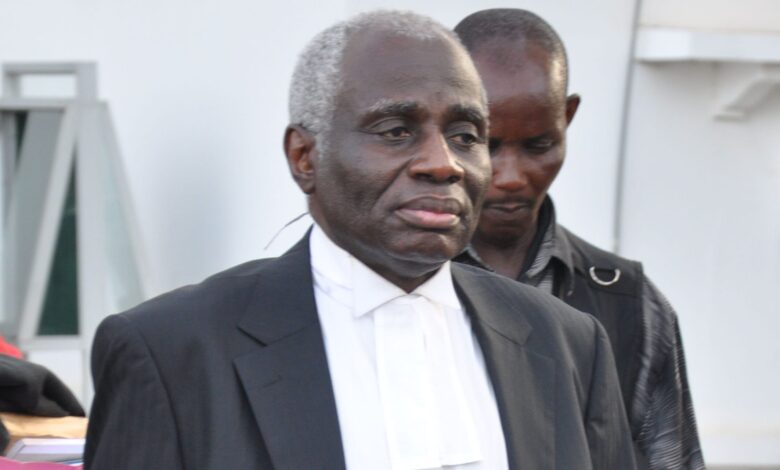
- Tsatsu Tsikata says he holds no grudges against those involved in his imprisonment
- He stresses that no one should experience what he describes as a “desecration of justice,” regardless of politics
- The former GNPC boss revisits his 2008 conviction, which was later quashed by the Supreme Court
Renowned Ghanaian lawyer Tsatsu Tsikata has revealed that he bears no resentment towards individuals involved in his imprisonment during the administration of former President John Agyekum Kufuor.
He made the remarks at the UPSA Law School honourific lecture and awards ceremony on Wednesday, April 15, 2026, themed “Celebrating the Lifetime Achievements of Lawyer Tsatsu Tsikata.”
Reflecting on his ordeal, Tsatsu Tsikata said he has chosen forgiveness over bitterness despite the circumstances surrounding his incarceration.
“By God’s grace, I have never harboured any grudges or felt bitterness against any of those who were involved in all that happened to me during the Kufuor regime,” he stated.
However, he stressed that he would not wish such an experience on anyone, regardless of political affiliation.
“However, I do not wish such a desecration of justice as I experienced on anyone, no matter their political affiliation. I do not want to hear of the police going to a church on Sunday to arrest anyone,” he added.

His imprisonment followed a high-profile case that sparked nationwide debate on justice, governance, and the rule of law in Ghana.
Tsatsu Tsikata, a former Chief Executive of the Ghana National Petroleum Corporation (GNPC), was convicted in 2008 over charges of causing financial loss to the state relating to a loan guarantee issued in the 1990s.
He was sentenced to five years in prison by an Accra Fast Track High Court, serving part of his sentence at Nsawam Medium Security Prison before receiving a presidential pardon in 2009 from the late former President John Evans Atta Mills.
In 2010, the Supreme Court later quashed his conviction, ruling that the trial was flawed and amounted to a miscarriage of justice.
The case remains one of Ghana’s most significant legal and political moments, often referenced in discussions on justice, accountability, and political transitions.