Kwadaso Odikro Removed by Bantama Traditional Council Over Alleged Misconduct
Traditional authority enforces disciplinary action following years of alleged misconduct
- Bantama Traditional Council destools Kwadaso Odikro over alleged misconduct.
- Chief accused of unauthorized land sales and defying traditional authority.
- Customary rites, including ritual slaughter, formalise removal from office.
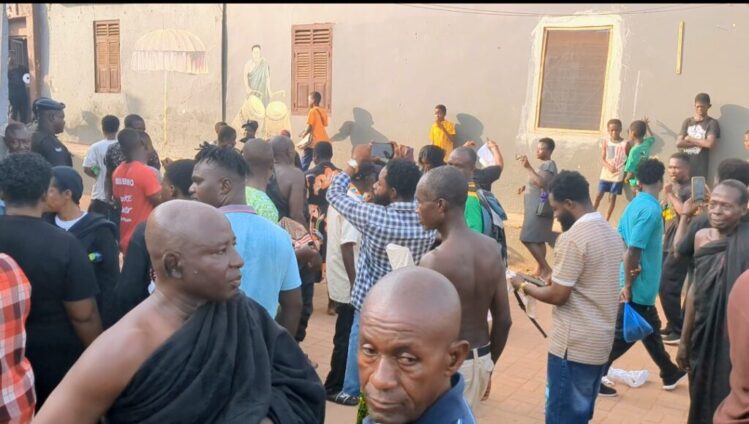
The Bantama Traditional Council has officially destooled the Odikro of Kwadaso, Nana Asare Bediako II, following allegations of misconduct and abuse of authority.
The decision was executed under the leadership of Baffour Owusu Amankwatia VI and formalised during a traditional ceremony held at the Kwadaso Palace on Monday, April 13, 2026.
Traditional Ritual Confirms Destoolment
At the ceremony, Nana Kofi Owusu, Gyasehene of Bantamahene, carried out the destoolment rites on behalf of the council.
In line with custom, a ram was slaughtered to signify the formal removal of the chief from office and the withdrawal of his traditional authority.
Allegations of Misconduct
Speaking to the media, Nana Akwasi Abu, Aduana Abusuapanin of the Royal Family, outlined the reasons behind the decision, citing a long-standing pattern of misconduct.
He alleged that the destooled Odikro failed to perform his traditional duties and was involved in unauthorized land sales, particularly around the Sofoline area.

He further stated that Nana Asare Bediako II consistently disregarded the authority of the traditional council and failed to honour multiple summons issued by the Bantamahene.
“After 27 years of enstoolment, he has not fulfilled his obligations to the Royal Family and has repeatedly ignored the authority of the Bantamahene,” he said.
Community Reaction
Although the decision is considered final under customary law, sections of the royal family have expressed acceptance of the ruling, emphasising respect for traditional processes.
The destoolment has sparked widespread discussion in Kwadaso, with residents debating its implications for local leadership, land management, and governance stability.