Nana Kwame Bediako Criticizes Time Spent Watching Football, Encourages Productive Use of Time
Nana Kwame Bediako Criticizes Time Spent Watching Football, Encourages Productive Use of Time
- Nana Kwame Bediako has urged Ghanaians to reconsider how they spend their time
- Bediako has been running a campaign focused on radical ideas
- Bediako emphasized the importance of using time wisely
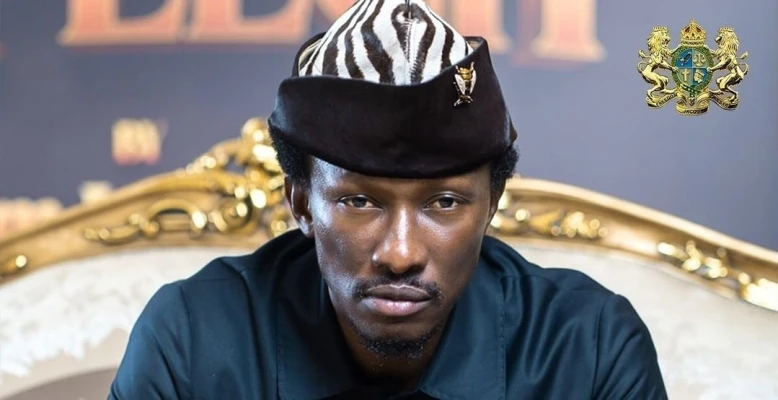
Nana Kwame Bediako, an independent candidate in Ghana’s December 2024 Presidential elections, has urged Ghanaians to reconsider how they spend their time, suggesting that watching football regularly is a waste of productive hours.
Affectionately known as “Cheddar,” Bediako has been running a campaign focused on radical ideas, aiming to earn the trust of voters ahead of Saturday’s polls.
In one of his latest bold statements, he questioned the value of dedicating significant time to watching others make money.
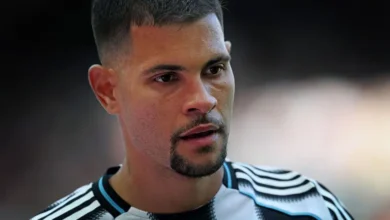
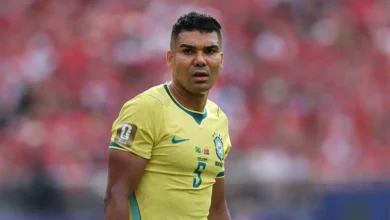
He explained, “If you spend two hours watching football almost every other day, in a year, you would have spent around 1,000 hours. You could have used that time for something more rewarding, while someone else is making $500,000 a week, and you watch them for free.”
Bediako emphasized the importance of using time wisely, stating, “Your time is your most important asset. You need to use it sensibly.”
Instead of spending countless hours as a spectator, he suggested that sports could be better integrated into the educational system in Ghana. “We become footballers by vision, not by skill or training,” he pointed out. “We need to start training and coaching our youth properly, so they can be a part of the sports industry rather than just watching it.”

While Bediako’s comments focus on how much time Ghanaians lose by watching football, his broader message advocates for more meaningful investment in the nation’s potential in sports development.