Next-Gen Ghana Passport Launches with 175 Security Features and Faster Delivery
Ghana’s new chip-embedded passports offer enhanced security, faster processing, and reduced fees, marking a major leap in modernizing the nation’s travel document system
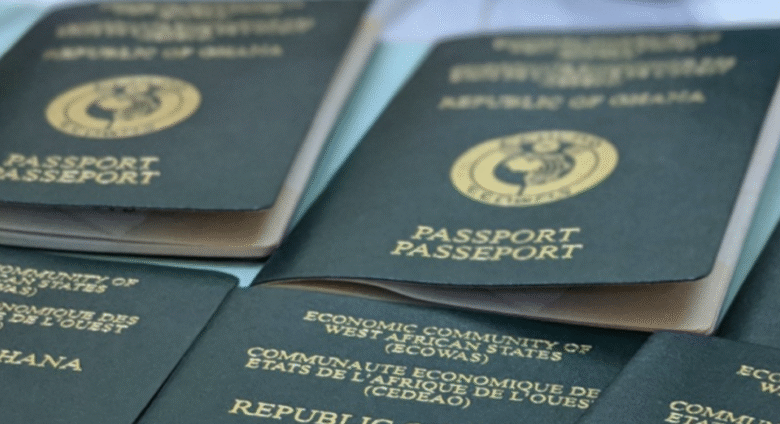
- New chip-embedded passports feature 175 security features, up from just 32 in the previous model
- Applicants can receive passports in as little as 5 working days with expedited service
- Passport application fees are reduced by 30%
The Ministry of Foreign Affairs and Regional Integration has officially rolled out sweeping passport reforms starting Monday, April 28.
At the heart of these changes is the introduction of a highly secure chip-embedded passport, replacing the older biometric version.
This next-generation passport comes equipped with 175 security features—up from just 32 in the previous model—making it Ghana’s most secure travel document yet. According to Foreign Affairs Minister Samuel Okudzeto Ablakwa, the upgrade represents a significant leap in protecting national identity and complying with global travel standards set by the International Civil Aviation Organization (ICAO).
Other enhancements include a new 24-hour express processing service, a courier option for home delivery, an electronic tracking (e-tracking) system, and a 30% cut in application fees. Applicants can now expect to receive their passports within 15 working days—or just five days for expedited processing.
The chip-embedded passports also integrate seamlessly with the National Identification Authority’s (NIA) database to ensure fast and accurate identity verification. Each passport contains a microchip that securely stores biometric and photo data, along with high-tech security markers such as nanotech overlays and hidden identifiers.
Speaking at the launch event in Accra, Minister Ablakwa hailed the reform as a “historic digital transformation” of Ghana’s passport system. The new design also celebrates Ghanaian heritage by incorporating traditional Adinkra symbols.