Russia Offers to Assist Africa in Calculating Colonial-Era Reparations Claims
Support comes as 123 nations back UN motion recognizing the transatlantic slave trade as a grave crime
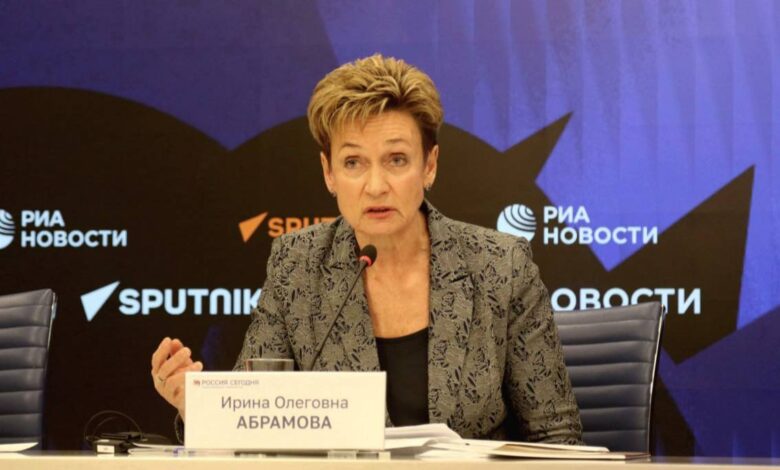
- Russia offers technical and analytical support to African countries in calculating reparations for colonial-era crimes
- Collaboration will combine African and Russian expertise, using modern scientific methods
- Mahama’s leadership highlighted, with the UN-backed reparations agenda moving from historical discussion toward practical action
Russia has offered to help African countries determine the total reparations that Western nations might owe for colonial-era crimes.
The announcement was made on Wednesday, March 25, 2026, by Irina Abramova during a press briefing titled “The Responsibility of Western Metropolises for the Consequences of Colonisation: History and Modernity,” reported by the African Initiative media agency.
Abramova’s remarks follow a surge in global momentum for reparatory justice, triggered by the recent adoption of a UN General Assembly motion, tabled by John Dramani Mahama, recognizing the Trans-Atlantic Slave Trade as one of the gravest crimes against humanity. The motion was supported by 123 nations.
She explained that Russia plans to work with African experts to create a rigorous, evidence-based assessment of reparations, employing advanced analytical tools.
“We aim to bring together Russian scholars—mathematicians, programmers, historians, and economists—with African researchers to substantiate the scale of reparations and advance legal claims on international platforms,” Abramova said.
She stressed that African nations must accurately quantify the damages inflicted by colonialism to strengthen their compensation claims, combining modern scientific methods with extensive historical archives scattered across the continent.

Abramova clarified that while Russia is offering technical support, it is not initiating the reparations agenda, emphasizing that Africans should lead efforts to address their historical grievances.
She also praised Mahama’s role as chair of the African Union’s reparations committee, describing him as both a political leader and a scholar driving the reparations conversation forward.
“In addition to being an outstanding political figure, John Mahama actively promotes the reparations agenda, which is increasingly moving from historical and political discussion to practical action,” she added.
Between the 15th and 19th centuries, an estimated 12.5 million Africans were forcibly taken and sold into slavery, primarily via transatlantic networks controlled by European traders.
The reparations debate has regained global attention, with proposals including financial compensation, return of cultural artefacts, land restitution, and formal recognition of historical injustices. However, critics argue that present-day nations and institutions should not be held responsible for actions committed centuries ago.