Development Impact Partners, GHS Launch Consumer Health Week 2026 in Accra
A week-long initiative to promote health literacy, patient safety, and responsible healthcare practices in Ghana
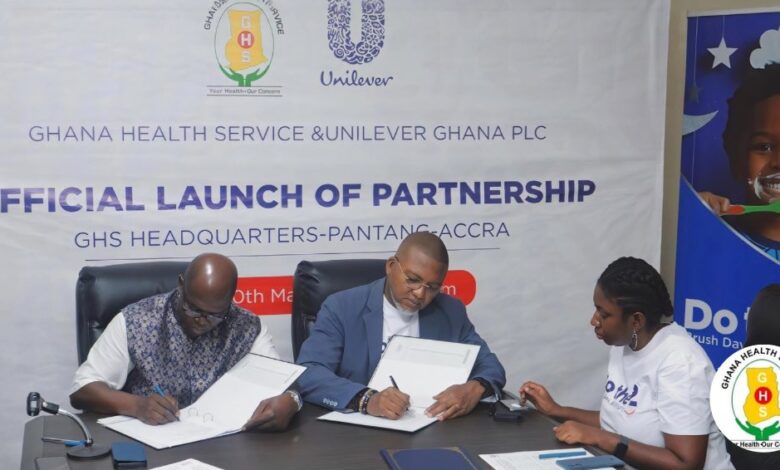
- CHW 2026 aims to empower Ghanaians with knowledge of health rights, patient safety, and responsible use of health products
- The week will feature summits, expos, workshops, screenings, and community outreach to foster collaboration and showcase health innovations
- The initiative provides a platform for dialogue between government, civil society
Development Impact Partners (DIP), in partnership with the Ghana Health Service (GHS), has announced Consumer Health Week 2026 (CHW 2026), set to run from Monday, 6th April to Sunday, 12th April 2026, in Accra.
The week-long event will be officially launched on 7th April at the Ghana Academy of Arts and Sciences, coinciding with World Health Day.
Themed “Empowering Consumers. Strengthening Health Systems,” CHW 2026 provides a national platform to advance consumer health literacy, patient safety, responsible health practices, and trust in Ghana’s health system.
The initiative will bring together government institutions, the Food and Drugs Authority (FDA), development partners, civil society, private sector actors, healthcare professionals, media, and consumer groups.
Programme Highlights
-
6th April: Public engagement and health education initiatives across Accra.
-
7th–8th April: CHW Summit & Health Expo, featuring policy dialogues, panel discussions, exhibitions, innovation showcases, capacity-building workshops, and on-site health screenings. The official launch and World Health Day commemoration will take place on 7th April.

-
9th–12th April: Continued public engagement, consumer education, and community-based screening and health outreach activities.
Strategic Objectives
CHW 2026 aims to:
-
Strengthen consumer awareness of health rights and patient safety.
-
Promote responsible use of health products and services.
-
Contribute to national health policy dialogue.
-
Foster public-private collaboration in the health sector.
-
Provide a platform for innovation and learning.
Expected Outcomes
The week-long initiative is expected to deliver:
-
Increased consumer health literacy and awareness.
-
Improved public confidence in Ghana’s health and regulatory systems.
-
Enhanced public-private collaboration.
-
Greater visibility of quality health innovations.
-
Actionable policy recommendations to guide future consumer health strategies.
By aligning with World Health Day, CHW 2026 underscores Ghana’s commitment to health equity, access, accountability, and system resilience, placing consumers at the centre of the national healthcare discourse.