Kumasi: Federation of Disability Organisations Trains Journalists on Responsible Reporting of Disability Issues
The training in Kumasi sought to equip journalists with the knowledge and language needed to report on persons with disabilities accurately, respectfully and without stigma.
- Disability organisations train journalists on responsible reporting
- Media urged to avoid language that reinforces stigma
- Journalists encouraged to promote disability inclusion
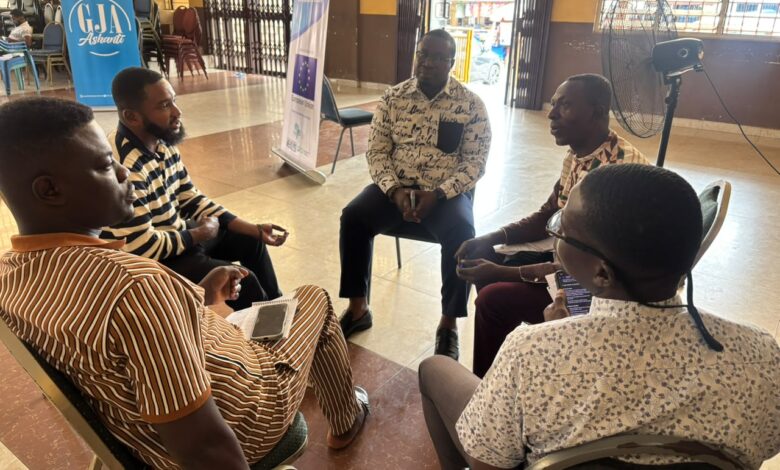
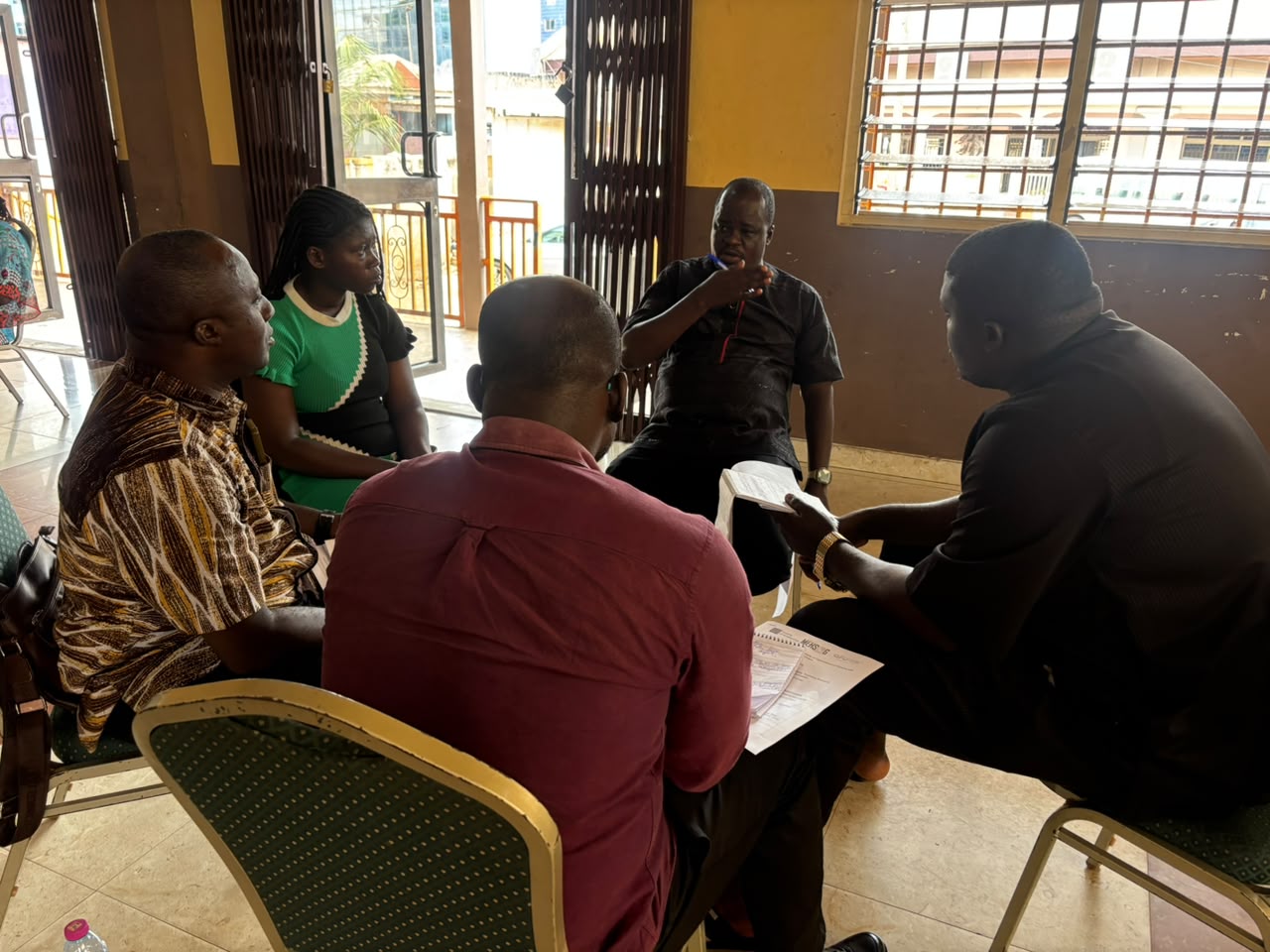
The Ghana Federation of Disability Organisations (GFD) and the Mental Health Society of Ghana have organised a media training programme in Kumasi to equip journalists with better approaches to reporting on disability and mental health issues.
The training brought together journalists and media practitioners to deepen their understanding of disability-related issues and promote responsible and inclusive reporting.

Executive Director of the Ghana Federation of Disability Organisations, Peter Anomah-Kordie, said the initiative was necessary because journalists remain critical partners in efforts to promote the rights, dignity and inclusion of persons with disabilities.
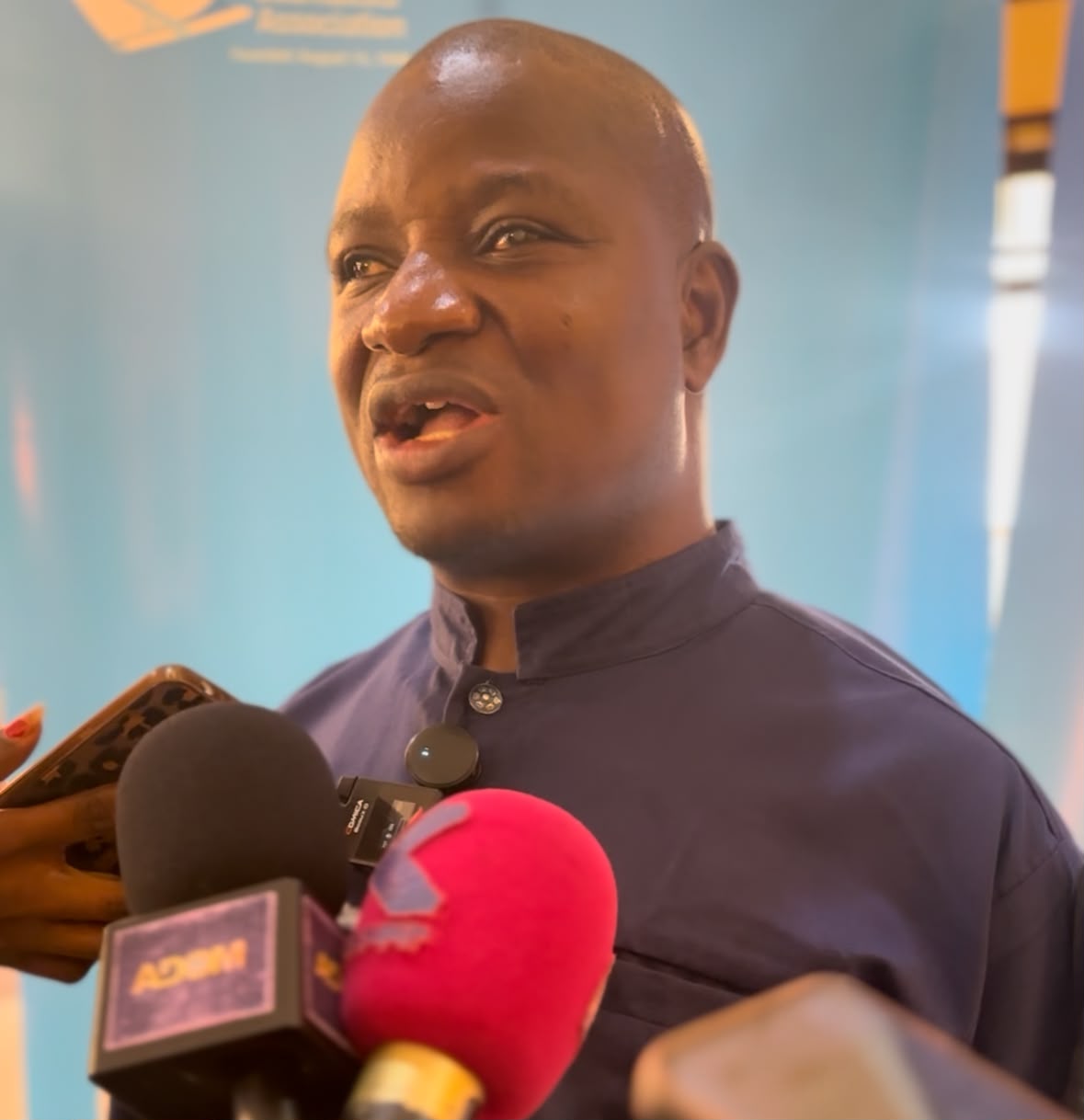
According to him, disability organisations regularly organise workshops and educational programmes to create awareness about the experiences and needs of persons with disabilities, but such efforts cannot achieve their full impact without the media.
He explained that journalists serve as an important bridge between disability organisations, government and the wider public because they help amplify issues affecting persons with disabilities.

“Journalists are our partners in all our activities. You carry the voice, and when you propagate these issues, government and Ghanaians will hear,” he said.
Mr Anomah-Kordie said the training was therefore designed to help journalists develop a better understanding of how to report on disability-related stories while avoiding language and expressions that could reinforce stigma.
He particularly appealed to broadcasters and other media practitioners to be cautious about the proverbs and expressions they use on air.
He noted that although proverbs form an important part of Ghanaian communication and broadcasting, some expressions can portray persons with disabilities negatively, discourage them and reinforce harmful stereotypes.
He urged journalists to instead use language that promotes dignity, encouragement and inclusion.
Mr Anomah-Kordie also called on families and communities to support persons with disabilities and help them realise their potential.
He said disability should not be viewed as something that affects only a particular group of people, stressing that it can happen to anyone.
He therefore urged society to show greater understanding and support for persons living with disabilities instead of discriminating against them.
The Ashanti Regional Chairman of the Ghana Journalists Association (GJA) Mr Kofi Adu Domfeh also commended the organisers for bringing journalists together for the training.
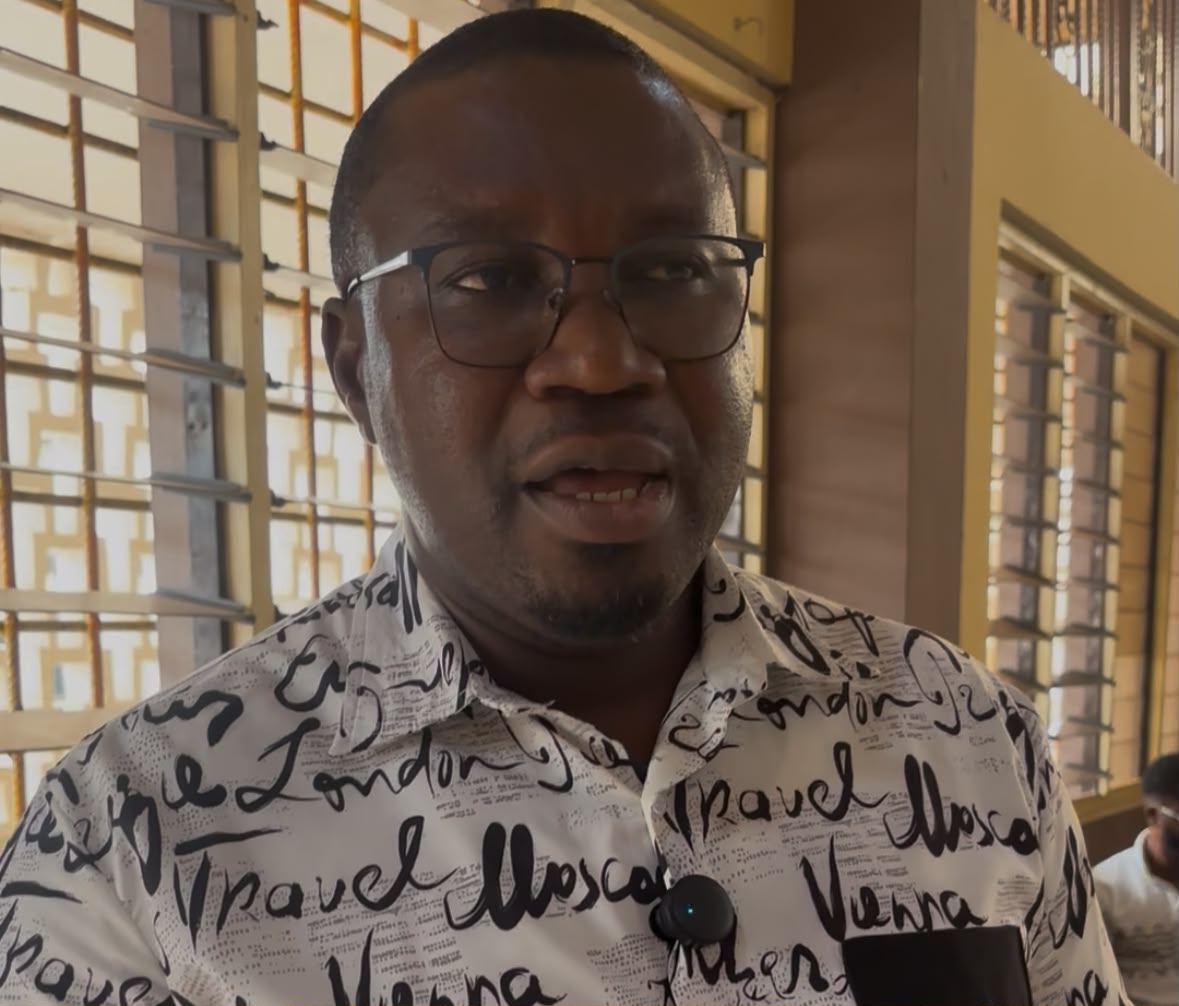
He said the programme would help draw greater attention to the need for accurate and responsible reporting on disability-related issues.
According to him, journalists must make a conscious effort to include persons with disabilities in their daily reporting and ensure that the language used to describe them is appropriate and respectful.
He said the knowledge gained from the training would help journalists improve the way they identify, describe and report different forms of disability.

The organisers expressed the hope that journalists who participated in the programme would apply the lessons learned in their newsrooms and contribute to creating a society where persons with disabilities are treated with dignity, respect and equal opportunity.