Kennedy Agyapong Calls for Calm and Unity Amid Bawku Violence
Agyapong Appeals for Calm in Bawku Following Violent Clashes
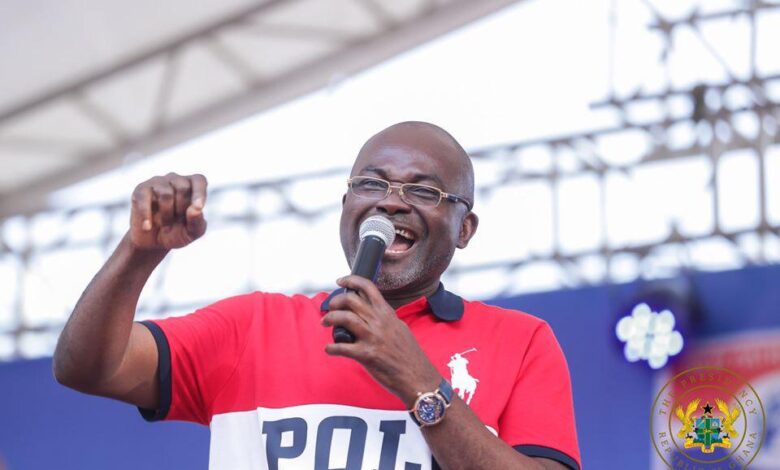
- Kennedy Agyapong has issued a plea for calm and unity in Bawku
- The unrest also reportedly led to the torching of Bawku Central MP Mahama Ayariga's private residence.
- Mr. Agyapong also commended President John Dramani Mahama for activating a mediation process
Former Assin Central MP Kennedy Agyapong has issued a plea for calm and unity in Bawku and its surrounding areas, following a resurgence of violence that has resulted in fatalities and injuries.
In a statement released on Sunday, April 13th, Mr. Agyapong expressed deep concern over the escalating tensions that followed a violent clash between police and youth in the Bawku area on Thursday, April 10th.
The unrest also reportedly led to the torching of Bawku Central MP Mahama Ayariga’s private residence.
He appealed to the youth to refrain from violence, emphasizing that no grievance justifies the loss of life or the destruction of communities. “I have followed with deep concern the recent escalation of tensions in Bawku and surrounding communities. The recurring violent outbreaks and reprisals rooted in longstanding tribal conflicts, continue to cause pain and instability among our people,” he stated.
“At this critical moment, I call for calm—especially from the youth. No grievance, however deeply felt, justifies the loss of life or the destruction of our communities. Our peaceful coexistence is the foundation of the prosperity and development we seek, without which we cannot build the Ghana we all desire,” he added.
Mr. Agyapong also commended President John Dramani Mahama for activating a mediation process led by the Asantehene, Otumfuo Osei Tutu II, an initiative originally established under former President Nana Addo Dankwa Akufo-Addo. “This is a welcome sign of statesmanship and national unity, one that places Ghana above partisanship,” he noted.

He urged all parties involved in the conflict to support the Otumfuo-led committee’s efforts to restore peace, stressing that national unity and progress depend on stability throughout the country. “When there is peace in Bawku, there is peace in Ghana. No part of this country can prosper while another is in pain. Ghana must move forward together,” Mr. Agyapong stated.
He concluded by urging all leaders and citizens to play their part in ensuring lasting peace is restored to Bawku.