Deadly Floods in Mozambique Kill 18, Thousands Homeless
Thousands displaced as storms damage infrastructure, crops, and homes
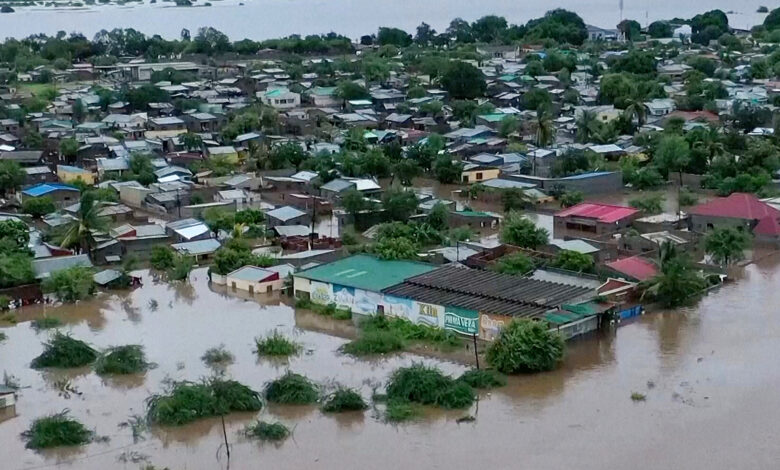
- Torrential rains and floods in Mozambique have killed 18 people and displaced around 10,000.
- Floods have damaged roads, schools, and critical agricultural areas, affecting livelihoods.
- Emergency teams are distributing food, water, and medical aid while reinforcing flood defenses.
Mozambique is grappling with devastating floods triggered by a second wave of heavy rains, which have killed at least 18 people, officials reported on Monday.
The National Institute for Disaster Risk Management and Reduction (INGD) confirmed that most fatalities resulted from drowning as rivers and streets overflowed, engulfing entire communities.
Currently, 31 accommodation centers across the country are housing roughly 10,000 displaced people, with four centers in Inhambane province alone sheltering about 4,000 residents.
The floods have severely damaged infrastructure, washed out roads, and destroyed schools, while crippling local agricultural areas that are essential for food security and livelihoods. Nearly 1 million people have been affected by Mozambique’s 2025–2026 rainy and cyclonic season, straining emergency services across the country.
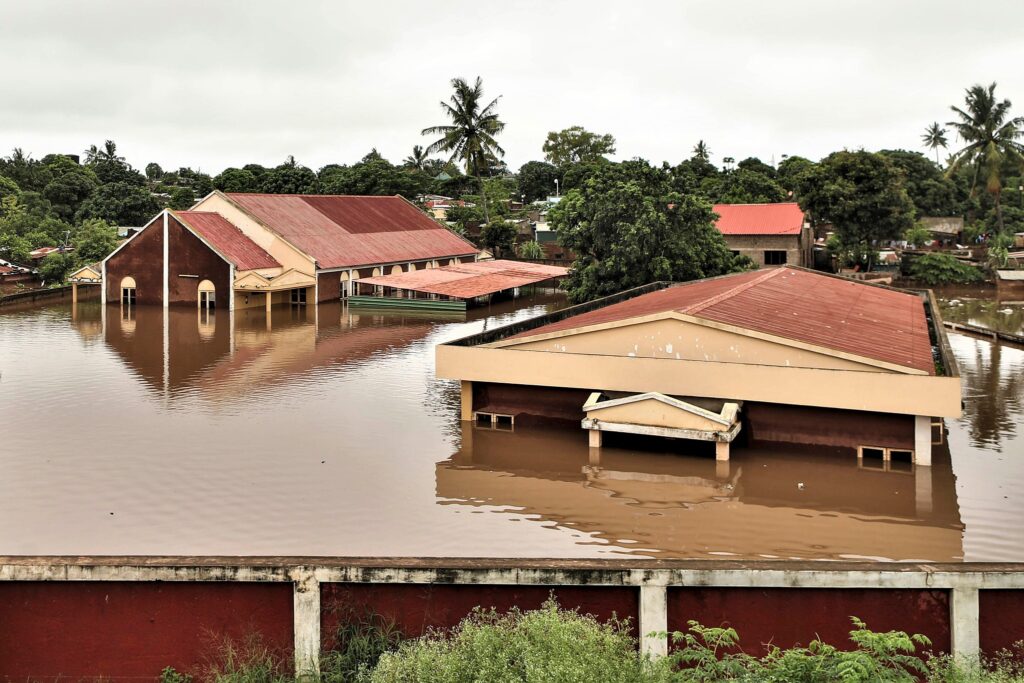
Authorities warned that more heavy rains are expected in the coming days, raising fears of further property loss and displacement in southern regions.

Emergency teams are racing to provide relief, distributing food, clean water, and medical aid, while reinforcing vulnerable communities against rising waters.
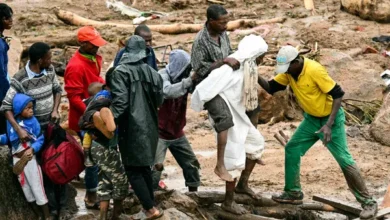
Local residents described harrowing scenes, with homes swept away, streets submerged, and families clinging to trees or rooftops to survive the floods. Officials urged citizens to follow safety guidelines, avoid flooded areas, and seek shelter in designated centers to minimize casualties during the ongoing storms.
The government is coordinating with international partners to deliver humanitarian aid and evaluate long-term recovery needs.
Mozambique’s history of cyclones and flooding has left communities particularly vulnerable, highlighting the urgent need for resilient infrastructure and disaster preparedness. Authorities emphasized that timely warnings and emergency shelters remain critical to reduce further human and economic losses.