World

Bird Flu Threat Forces Australia to Pull 24 Researchers from Sub-Antarctic Island

Australia withdraws 24 researchers from Macquarie Island over fears of a potential H5 avian influenza outbreak among vulnerable wildlife.
Story Highlights
  • 24 researchers to leave Macquarie Island
  • H5 bird flu threat sparks withdrawal
  • Elephant seals face high infection risk

Australia has announced plans to temporarily withdraw researchers from Macquarie Island over concerns about the potential spread of H5 avian influenza, commonly known as bird flu.

The Australian Antarctic Division said it made the decision because of the psychosocial risks researchers could face if a major outbreak occurs on the sub-Antarctic island.

Twenty-four expeditioners currently live and work at the Macquarie Island research station, which was established in 1948 and is located about 1,500 kilometres southeast of Tasmania.

Although H5 bird flu has not been detected on the island, authorities are concerned about the large population of elephant seals living close to the research station.

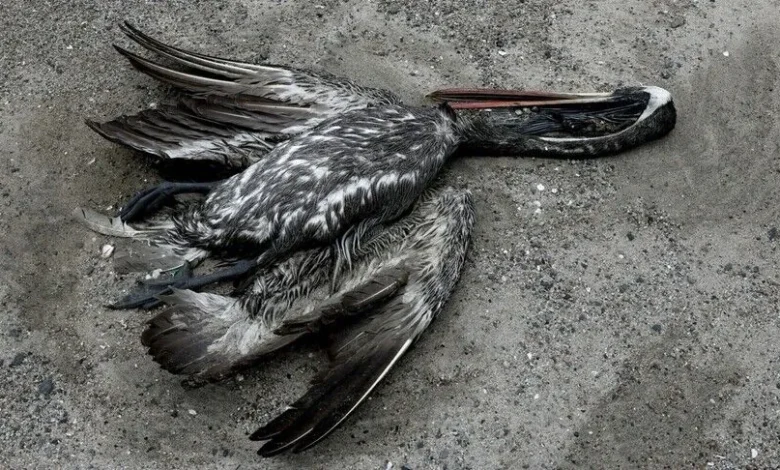
Expert assessments have predicted a high likelihood of significant wildlife deaths during the upcoming breeding season, with elephant seals considered particularly vulnerable to the virus.

Authorities noted that elephant seal pup mortality of more than 90% has been recorded in some colonies on Heard Island and the McDonald Islands following H5 bird flu outbreaks.

Meanwhile, a dead dolphin found at Goolwa on South Australia’s Fleurieu Peninsula has also tested positive for H5N1 bird flu.

South Australia’s Chief Veterinary Officer, Skye Fruean, said dolphins are highly susceptible to the virus and therefore face a significant risk.

Australia has recorded 354 positive bird flu events in wildlife, including 203 in South Australia, according to official government figures.

Related Articles

Leave a Reply

Your email address will not be published. Required fields are marked *

Back to top button