Mining Coalition Demands Urgent Reforms, Investigation Into Obuasi Deaths
NCOM calls for stronger mining governance, tougher environmental enforcement, greater community benefits and the release of the Obuasi deaths investigation report.
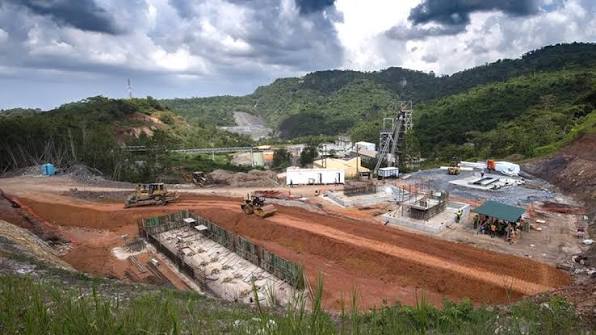
- NCOM demands mining sector reforms.
- Calls for release of the Obuasi deaths report.
- Seeks greater community benefits.
The National Coalition on Mining (NCOM) has called for urgent and transparent reforms in Ghana’s mining sector, warning that weaknesses in governance, environmental enforcement and benefit-sharing continue to undermine the contribution of mineral resources to national development.
The coalition made the call following a two-day meeting held in Accra on July 28 and 29, 2026, where members reviewed emerging challenges in the mining sector and agreed on key advocacy priorities affecting mining communities and the national interest.

NCOM said Ghana’s position as Africa’s leading gold producer, coupled with emerging opportunities in lithium, bauxite, manganese and other critical minerals, presented significant opportunities for economic transformation.
However, it said environmental degradation, weak regulatory enforcement, unequal distribution of mining benefits and social tensions were limiting the sector’s potential to contribute to sustainable development.
The coalition expressed particular concern about the continued destruction of water bodies and agricultural lands associated with illegal and irresponsible mining activities.

It also cited regulatory weaknesses, inadequate enforcement and concerns about political interference in efforts to address illegal mining, commonly known as galamsey.
Call for stronger mining governance
NCOM said ongoing discussions about reforms to Ghana’s mining laws and regulatory institutions should result in a more transparent and accountable system.
The coalition called for stronger institutional independence, effective enforcement of mining regulations and meaningful participation of communities affected by mining operations in decisions concerning mineral resources.
It also urged policymakers to adopt a balanced approach to artisanal and small-scale mining (ASM), recognising the sector’s importance to livelihoods while addressing its environmental and governance challenges.
According to the coalition, efforts to tackle illegal mining should go beyond enforcement and include viable alternative livelihoods, improved governance, community participation and responsible mining practices.
Concerns over critical minerals
The coalition also examined Ghana’s growing role in the global critical minerals value chain and urged the government to ensure that the emerging opportunities translate into greater local economic benefits.
NCOM cautioned against extractive models that generate limited benefits for local communities while increasing environmental and social risks.
It called for the management of critical mineral resources in a manner that supports national transformation and prevents the deepening of existing inequalities in the mining sector.
NCOM demands investigation into Obuasi deaths
The coalition also raised concerns about mining-related human rights issues, including the unresolved deaths of nine people during altercations involving security personnel protecting mining operations in Obuasi in January 2025.
NCOM called for an independent, timely and transparent investigation into the deaths and urged authorities to ensure accountability where violations occurred.
The coalition specifically demanded that the government urgently release the investigative report into the January 2025 shooting deaths of nine suspected illegal miners in Obuasi involving the Ghana Armed Forces.
It said mining governance must uphold human rights, community dignity, due process and accountability.
Calls for greater benefits for mining communities
NCOM further called for a review of the Minerals Development Fund Act to significantly increase the benefits received by communities in mining areas.
The coalition noted that mining communities, particularly in northern Ghana and other resource-rich parts of the country, often do not receive benefits proportionate to the value of the resources extracted from their areas.
It therefore urged the government to develop mechanisms that ensure mineral wealth contributes directly to improved livelihoods and sustainable development in affected communities.
Coalition to strengthen advocacy
As part of its commitments, NCOM said it would develop shared policy positions on major mining sector issues, including governance reforms, illegal mining, critical minerals and community rights.
The coalition also plans to strengthen collaboration among civil society organisations, local communities, networks and other stakeholders to coordinate advocacy and public engagement.
It said the experiences and concerns of mining-affected communities would remain central to its work, particularly in discussions on environmental protection and mineral resource governance.
NCOM reaffirmed its commitment to promoting a transparent, inclusive and sustainable mining sector and said it would continue to pursue evidence-based advocacy and collective action to ensure that citizens and mining communities remain at the centre of Ghana’s mineral resource future.