Minority Demands Repeal of Sections 207 and 208 Over Free Speech Concerns
Opposition MPs say the provisions are being used to criminalise criticism and are calling for their immediate repeal.
- Minority demands repeal of Sections 207 and 208.
- Afenyo-Markin condemns Camila Alhassan's sentence.
- Caucus calls for stronger protection of free speech.
The Minority in Parliament has renewed calls for the repeal of Sections 207 and 208 of the Criminal and Other Offences Act, 1960, arguing that the provisions are being used to criminalise free expression in a manner similar to the criminal libel laws abolished in 2001.
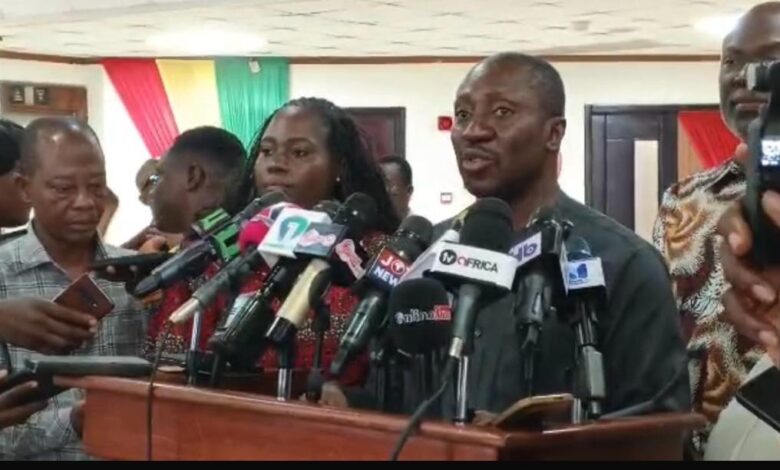
Speaking at a press conference in Parliament, Minority Leader Osahen Alexander Kwamena Afenyo-Markin criticized the one-year sentence with hard labour imposed on Camila Alhassan over a TikTok video, describing the punishment as excessive and a threat to freedom of expression.
According to him, the conviction sends a worrying signal that social media users could face imprisonment for expressing their views online. He also questioned the Ghana Police Service’s decision to pursue a second prosecution against Alhassan under the Electronic Communications Act over the same video.
The Minority further cited several arrests involving opposition figures, activists and media personalities, including Abronye DC, Alhassan Abdul Rahaman, Alfred Ababio Kumi, David Essandoh and Counsellor George Lutterodt. The caucus argued that these incidents point to a broader pattern of targeting critics of the government rather than isolated cases.
Reflecting on Ghana’s legal reforms in 2001, Afenyo-Markin noted that while the Kufuor administration repealed the country’s criminal and seditious libel laws, Sections 207 and 208 remained in force. He maintained that the provisions now serve a similar purpose by allowing criminal sanctions for speech under the guise of maintaining public order.

The Minority Leader also questioned what he described as selective enforcement of the law, asking whether any individuals aligned with the government had faced similar prosecutions. He appealed to President John Dramani Mahama, citing his background as a former journalist, to support stronger protections for freedom of expression.
The caucus called for the immediate withdrawal of all ongoing prosecutions under the two sections, the release of persons currently serving sentences under them, the passage of legislation to repeal the provisions, and a clear government commitment that citizens will not face criminal prosecution solely for expressing critical opinions.
The Minority also urged lawmakers from both sides of the House to work together to complete the legal reforms that began in 2001, insisting that safeguarding free speech is a national, rather than partisan, responsibility.
From Prince Joe Boadi