
Mahama: Anti-LGBTQ+ Bill Still Has Long Road Before Becoming Law
President cites quorum concerns, procedural lapses, and pending legal review as key hurdles before presidential assent.
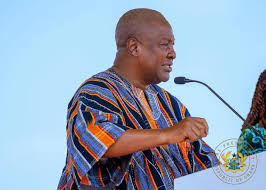
- Mahama says anti-LGBTQ+ Bill is still far from becoming law
- Quorum and procedural concerns have been raised over its passage
- Bill will undergo legal review before any decision on assent
President John Dramani Mahama has stated that the Human Sexual Rights and Family Values Bill, 2025, widely known as the anti-LGBTQ+ Bill, remains far from becoming law despite its recent passage by Parliament.
Speaking during a question-and-answer session at Chatham House in the United Kingdom on Monday, June 1, President Mahama explained that several legal and procedural matters must first be addressed before the bill can be presented for presidential assent.
Describing the legislation as one of the most widely debated bills in Ghana’s recent history, Mahama noted that it reflects the strong public interest in issues relating to family values and social policy.
“The Human Sexual Rights and Family Values Bill has probably been the bill that has evoked the most interest in Ghana. It shows how important issues of family values are,” he said.
The President revealed that concerns have been raised over the process through which the bill was approved by Parliament, including questions about whether the required quorum was present during its passage and allegations of procedural irregularities.
“There have been a few issues raised. One, that there wasn’t quorum when it was passed. That’s an issue that has come up, and then two, there were some procedural lapses in terms of its passage,” he explained.

Mahama disclosed that he had been informed that the Speaker of Parliament was already addressing the concerns surrounding the legislative process.
According to him, once the bill is formally transmitted to the Presidency, it will undergo a comprehensive legal examination by the Attorney General and legal advisers at the Presidency, particularly because it originated as a private member’s bill rather than government-sponsored legislation.
“It must come for assent and so once the president gets it, you go through it because you are not part of the discussion in Parliament. The legal counsel in the Presidency and the Attorney General would sit on it and make sure that everything is in order before the president is advised to assent,” he stated.
The President further highlighted other constitutional avenues available to him, including seeking guidance from the Council of State if concerns emerge during the review process.
He noted that should significant issues be identified, the bill could be returned to Parliament with specific recommendations for correction.

“The president has another option. If there are some things that he thinks are a problem, he can refer it to the Council of State for advice. If substantial issues are raised, the president would return the bill to Parliament indicating exactly what the issues are,” he said.
Mahama emphasized that the legislative journey of the bill is not yet complete, stressing that several stages remain before it can attain the force of law.
“So there’s still quite a while to go before that bill becomes law,” he added.
His remarks come shortly after Parliament passed the Human Sexual Rights and Family Values Bill, 2025, following amendments to the proposed legislation.
Meanwhile, Speaker of Parliament, Alban Bagbin, has convened the leadership of the House over the bill’s passage, insisting that broader consensus is necessary to secure public confidence in the legislation. The Speaker has also expressed concern over the circumstances surrounding the bill’s approval amid questions raised by some lawmakers about the parliamentary process.


