Congo Refugees Begin Returning Home as M23 Forces Pull Back
UN facilitates first wave of voluntary repatriation as displaced Congolese cautiously head home following M23 withdrawal.
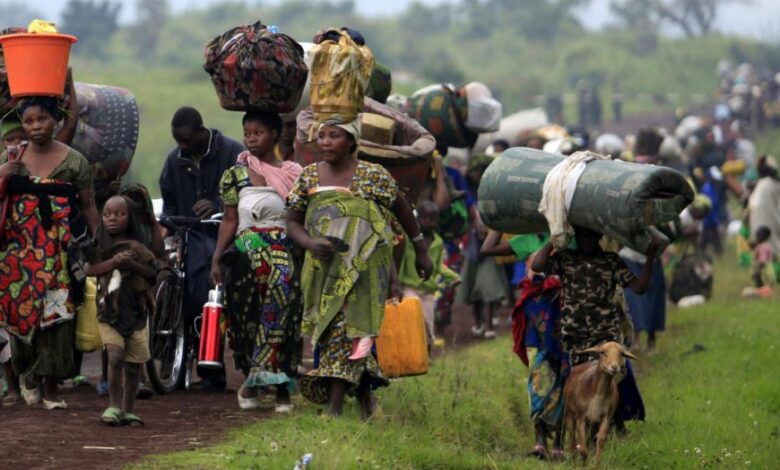
- The United Nations has facilitated the first group of Congolese refugees returning home from Burundi
- About 470 refugees were transported under a UN-chartered programme as part of a coordinated voluntary repatriation effort
- Further return convoys are planned as displaced Congolese continue to head back home after months of conflict and displacement
The United Nations has facilitated the return of the first group of Congolese refugees from Burundi, signalling a cautious but hopeful step toward restoring stability after months of conflict in eastern Democratic Republic of Congo (DRC).
Thousands of civilians had previously fled escalating violence triggered by renewed fighting involving the Rwanda-backed M23 rebel group, which seized large territories and intensified regional insecurity.
In December, M23 fighters captured Uvira near the Burundian border, sparking widespread fear and forcing a mass exodus of civilians into neighbouring Burundi. Although a peace deal brokered by the United States was initially reached, renewed violence quickly undermined hopes for lasting calm.
Following international pressure and a subsequent M23 pullback, displaced Congolese nationals have begun returning home under a coordinated voluntary repatriation programme led by the UN Refugee Agency (UNHCR) in collaboration with Burundi and the DRC.
UNHCR official Brigitte Mukanga-Ono said tripartite talks between the two countries helped pave the way for the organised return process.
On Thursday morning, an initial group of 470 refugees boarded UN-chartered buses and were transported to the Gatumba border crossing. Burundian authorities confirmed that by around 6:00 p.m., the group had safely crossed back into the DRC, marking the first structured repatriation effort under the current arrangement.

Officials say further convoys are planned twice weekly, with about 1,000 refugees expected to return in each wave.
The reopening of the Kavimvira-Gatumba border crossing in February, after months of closure due to fighting, has also helped facilitate movement, with more Congolese reportedly preparing to return despite difficult conditions in overcrowded camps in Burundi.