Ghana, Burkina Faso Seal Seven Strategic Pacts to Reset Bilateral Relations
Security, trade, border governance and disaster management take centre stage as both nations reactivate joint commission after six-year hiatus.
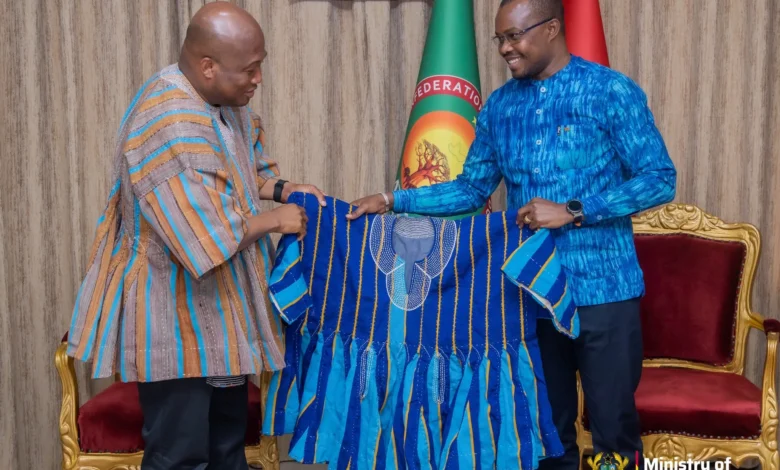
- Ghana and Burkina Faso agreed to design a new joint security framework to combat terrorism and violent extremism amid rising instability in the Sahel
- The two countries signed transport and driver’s license recognition agreements to ease movement and remove bottlenecks along the Tema–Ouagadougou corridor
- New frameworks were established to strengthen cross-border governance, reaffirm territorial boundaries
Ghana and Burkina Faso have signed seven major bilateral agreements in a sweeping diplomatic reset aimed at strengthening security, trade, and cross-border cooperation along one of West Africa’s most critical corridors.
The agreements were concluded at the latest session of the Permanent Joint Commission for Cooperation (PJCC), which was reactivated after a six-year hiatus. The renewed engagement follows high-level discussions in early 2023 between President John Mahama and Burkina Faso’s leader, Captain Ibrahim Traoré, which set the stage for deeper collaboration.
Security and Humanitarian Focus
A key driver of the renewed partnership is the worsening security situation in the Sahel. Ghana’s Foreign Affairs Minister, Samuel Okudzeto Ablakwa, prior to the talks, visited the 37 Military Hospital in Accra to commiserate with victims of the February 14 terrorist attack in Titao, northern Burkina Faso. The attack claimed several lives, including Ghanaian traders.
At the summit, both governments strongly condemned recent terrorist incidents in the sub-region and extended sympathy to affected families. They agreed to develop and implement a new joint security framework to combat terrorism and violent extremism.
Beyond security, the two countries also addressed recurring humanitarian concerns, particularly the perennial spillage of the Bagré Dam and its destructive impact on downstream communities. A new cooperation arrangement on disaster prevention and response aims to better manage such cross-border emergencies.
The Seven Agreements
The delegations, which held high-level engagements with Burkina Faso’s Prime Minister Rimtalba Jean Emmanuel Ouédraogo and Foreign Minister Karamoko Jean-Marie Traoré, finalized the following accords:

-
Mutual Recognition of National Driver’s Licenses – Expected to ease movement and reduce bottlenecks along the Tema–Ouagadougou trade corridor.
-
Transport and Road Transit Agreement – Designed to harmonize regulations and facilitate smoother regional trade.
-
Framework Agreement on Cross-Border Cooperation – Strengthening governance and collaboration at frontier zones.
-
MoU on Periodic Consultations Between Border Administrative Authorities – Institutionalizing regular dialogue at the local level.
-
MoU Establishing a Joint Border Reaffirmation Commission – Safeguarding territorial integrity through formal boundary reaffirmation.
-
Cooperation Agreement on Disaster and Humanitarian Crisis Management – Coordinating emergency response systems and harmonizing protocols.
-
Agreement on Combating Illicit Drug Cultivation and Trafficking – Enhancing joint action against narcotics and related crimes.
Forward-Looking Diplomacy
Both sides described the talks as open, forward-looking, and impactful. Minister Ablakwa stressed that the agreements would not be symbolic but would be promptly implemented to deliver tangible benefits to citizens.
The two nations reaffirmed their commitment to deepening their long-standing cordial ties, underscoring their shared history, security concerns, and development aspirations.
The Ghanaian delegation concluded the visit by expressing appreciation for the warm hospitality extended by Burkina Faso, describing the PJCC session as highly successful. Observers see the renewed cooperation as a crucial step toward safeguarding regional trade routes and enhancing stability amid growing volatility in West Africa.