
Prioritise Reporting on Children, Girls, and Vulnerable Groups, Plan International Ghana Urges Journalists
Journalists urged to focus on ethical, development-oriented reporting for children, girls, and vulnerable communities
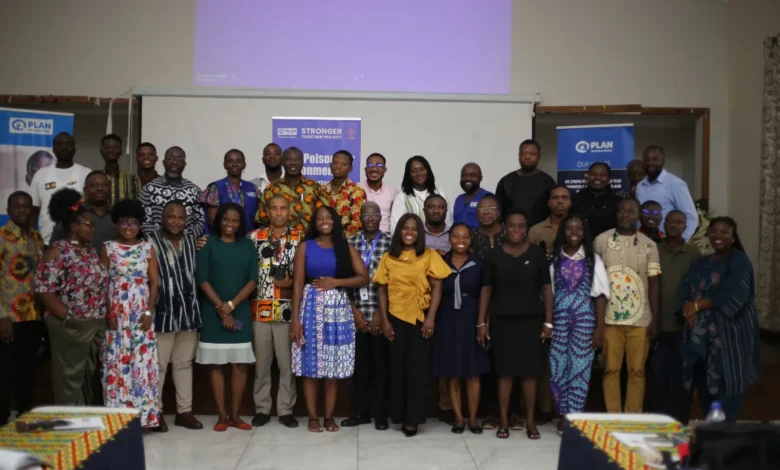
- Plan International Ghana calls on media to prioritise dignity, safety, and development over sensationalism.
- Journalists urged to view children and young women as active agents of change, ensuring consent and protection in reporting.
- Media training emphasizes victim protection, development-focused stories, and strict adherence to safeguarding principles.
Plan International Ghana, a non-profit organisation dedicated to advancing children’s rights and promoting equality for girls, has called on journalists to prioritise ethical reporting on issues affecting children and vulnerable groups, instead of pursuing sensationalism.
Mr. Eric Ayaba, Head of Programme and Influencing at Plan International Ghana, made the appeal while addressing selected media practitioners from the Volta, Eastern, Oti, and Greater Accra regions during a three-day training workshop in Koforidua.
He warned that sensationalist reporting and reliance on stereotypes can undermine national development and compromise the dignity of victims.
“We are here today to refine a practice that prioritises dignity over headlines, safety over clicks, and development over propaganda,” Mr. Ayaba stated.
He encouraged journalists to use their platforms to hold power holders accountable and amplify the voices of marginalized communities.
Mr. Ayaba also acknowledged the challenges journalists face when victims or sources are unwilling or unable to share information.

“If a victim does not wish to speak, we must respect their choice, recognising that they may be in a stressful situation. Journalists must be careful to obtain the right information at the right time,” he said.
Highlighting Plan International Ghana’s three-year engagement with the media, he emphasised the organisation’s goal of equipping journalists with the skills to report accurately and responsibly on children and vulnerable populations.
“Telling the story of children, girls, and vulnerable people is a development issue. It is about their rights and the public’s right to know,” Mr. Ayaba said.
He further urged journalists to see children and young women as active agents of change rather than passive subjects. The importance of informed and ongoing consent, as well as participant protection, was also highlighted.
“Your reportage should be responsible, protective, and gender-sensitive,” he added.
Mr. Ayaba expressed confidence that the media training would foster active participation and help build journalists who are committed to truth, accountability, and the protection of vulnerable communities.
He outlined key principles for responsible reporting:
-
Victim Protection: Avoid judgmental language that blames vulnerable individuals.
-
Development Focus: Report stories that contribute to national development rather than sensationalism.
-
Safeguarding: Uphold strict child protection and safeguarding standards in all reporting.
The workshop’s theme was “Journalism with Purpose: Reporting Responsibly on Children, Gender Equality, and Vulnerable Communities.”


