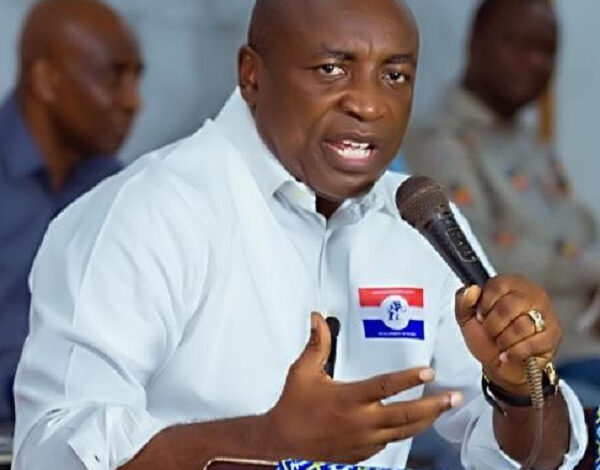
New Patriotic Party (NPP) flagbearer hopeful, Ing. Kwabena Agyei Agyepong, has pledged to break Ghana’s long-standing cycle of abandoned public projects, promising that no new government initiative will be launched until existing ones are fully completed if he becomes president.
Unveiling his six-pillar policy framework at a press engagement, Mr. Agyepong said his approach would promote value for money, enforce accountability, and rebuild public confidence in government delivery.
“We will rationalise government spending and make a sacred commitment: complete all ongoing projects before initiating new ones,” he stated.
He stressed that his administration would put an end to stalled hospitals, half-finished roads, and neglected infrastructure across the country. According to him, a strong maintenance culture would be institutionalised to safeguard public investments and restore fiscal discipline.
“There will be no more abandoned hospitals and no more uncompleted roads. We will restore fiscal sanity and rebuild trust by ensuring that every cedi spent delivers real value to the Ghanaian people. Public money must always serve the public good,” he said.
Beyond project completion, Mr. Agyepong also outlined plans to prioritise structured urban development and rural renewal as key pillars of his governance agenda.
He warned that Ghana’s rapid and largely unplanned urban expansion poses serious threats to sustainability, productivity, and quality of life, arguing that these challenges can only be addressed through deliberate, coordinated, and forward-looking policy decisions.