World Bank Warns Skills Shortage Could Threaten Jobs for 1.2 Billion Young People
World Bank highlights urgent skills gap as 1.2 billion young people prepare to enter developing economies’ labour markets.
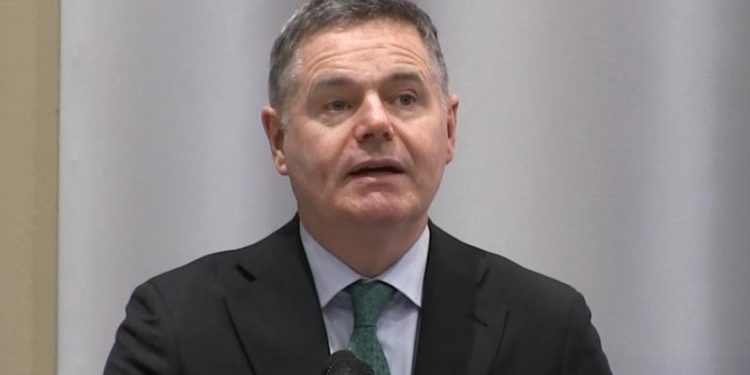
- World Bank Group warns 1.2 billion young people may face unemployment due to skills shortages.
- Paschal Donohoe stresses education and labour market alignment is critical for future workforce readiness.
- Focus on foundational learning, tertiary education reform, and entrepreneurship is key to addressing the employment gap.
World Bank Group has warned that around 1.2 billion young people are expected to enter the labour markets of developing countries over the next decade, raising concerns that a growing skills gap could leave many without the qualifications employers demand.
Paschal Donohoe, Managing Director and Chief Knowledge Officer at the World Bank Group, highlighted that the widening disconnect between education systems and rapidly evolving labour markets risks leaving millions of young people unprepared for the workforce of the future.
Speaking at the Vice Chancellor’s Occasional Lecture Series at the University of Ghana on Monday, March 16, Donohoe said, “How can young people find their footing in an economy that keeps changing beneath their feet? That question is urgent everywhere.”
He stressed that the challenge extends beyond merely securing employment: “It is to raise productivity and earnings across all types of work so that millions of young Africans who are working are getting ahead. Jobs that exist today will look fundamentally different in ten years’ time. Skills that were sufficient a decade ago will not be sufficient today.”
Donohoe emphasized that the World Bank Group is focusing on education, skills development, and employment generation as core components of its development agenda. This includes strengthening foundational learning, aligning tertiary education with labour market needs, and fostering entrepreneurship.
“Every individual deserves the education, the skills, and the opportunity to access meaningful employment and realise their full potential,” he added, underlining the urgency of equipping young people for the future of work.