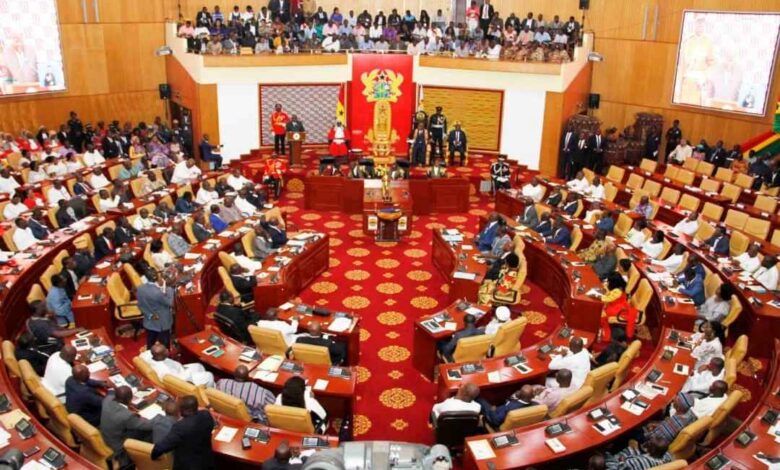
Parliament has adjourned for the Easter recess, marking the end of the First Meeting of the Second Session of the 9th Parliament following nearly two months of legislative work.
The session, which commenced on February 3, 2026, featured intense policy discussions and the approval of several key bills covering sectors such as legal education, mining, governance, and the economy.
A defining highlight of the period was the presentation of the State of the Nation Address by President John Dramani Mahama, which sparked extensive debate and helped shape the legislative priorities of the House.
One of the most notable achievements was the passage of the Legal Education Bill, which ends the long-standing dominance of the Ghana School of Law and allows accredited universities to provide professional legal training.
Lawmakers also approved a 15-year lithium mining agreement between the government and Barari DV Ghana Limited for operations at Ewoyaa in the Central Region. This follows the implementation of the Minerals and Mining (Royalty) Regulations, 2025, introducing a sliding royalty rate of 5 to 12 percent based on global prices.
In addition, Parliament passed the Education Regulatory Bodies (Amendment) Bill to ease accreditation processes for private tertiary institutions.
The House also endorsed the Value for Money Office Bill, designed to enhance oversight of public expenditure and procurement, despite strong opposition from the Minority, who cautioned it could foster corruption.
Another major milestone was the approval of the 24-Hour Economy Authority Bill, which sets up a central body to drive the government’s flagship policy.
Parliament is expected to resume sittings after the Easter holidays.