Duncan-Williams Warns Galamsey Could Make Ghana’s Lands Too Poisoned to Grow Crops
Archbishop Duncan-Williams warns that unchecked galamsey could poison Ghana’s farmlands, threaten food production and put public health at risk.
- Galamsey threatens Ghana’s water bodies and farmlands.
- Poisoned lands could lead to food shortages.
- Duncan-Williams calls for unity to fight galamsey
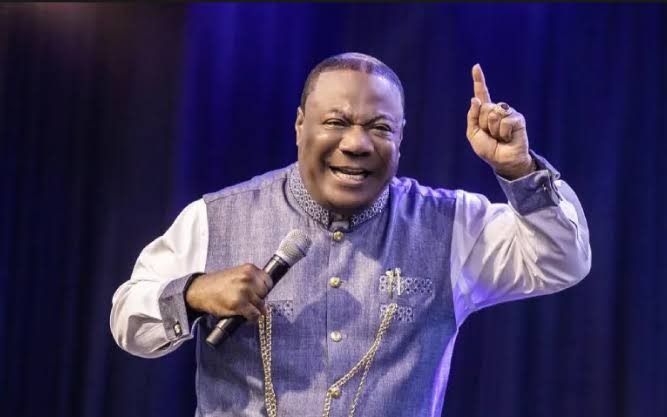
The General Overseer of Action Chapel International, Archbishop Nicholas Duncan-Williams, has warned that the continued destruction of Ghana’s water bodies and farmlands through illegal mining, popularly known as galamsey, could threaten the country’s food security and public health.
Speaking during a church service, the Archbishop called on Ghanaians to pray for the restoration and protection of the country’s polluted rivers, water bodies and degraded lands.
He expressed concern that the chemicals and other harmful substances associated with illegal mining could poison the environment and have serious consequences for agriculture.
“We’re praying concerning the healing of our water bodies and lands, that our bodies and lands will not be poisoned through this galamsey,” he said.
Archbishop Duncan-Williams also urged Ghanaians to pray for the agriculture sector and the Minister of Agriculture, stressing the need to prevent a potential food crisis.
“We need to also pray for our agriculture sector and for the Minister of Agriculture. We need to pray that there will be no food shortage in our land,” he said.

He warned that if the destruction of farmlands and water bodies continues unchecked, some lands could eventually become incapable of supporting agriculture.
“A time may come where we cannot sow and yield fruit or crops in the land because the land is poisoned. So, it cannot bear fruit. It can’t yield the crops we need,” he cautioned.
The Archbishop further raised concerns about the possible health risks associated with consuming food grown on contaminated lands, warning that harmful substances from illegal mining could potentially enter the food chain.
Beyond the environmental crisis, Duncan-Williams also appealed to Ghanaians to pray for the country’s political leaders regardless of their political affiliations.
“It is important to pray for those in authority and for whoever the president is, irrespective of the political party,” he said.
He expressed concern that Ghana’s two-party political system was deepening divisions among citizens and creating political hostility.
“It looks like this two-party democratic system we are operating is dividing us as a nation and it’s turning us into enemies,” he said.
The Archbishop called for greater national unity, brotherly love and tolerance, urging Ghanaians to reject political bitterness, revenge and division as the country confronts its environmental and economic challenges.