Gas-to-Power Strategy to Cut Electricity Generation Costs by 75% — Ato Forson
Finance Minister Dr. Cassiel Ato Forson reports $268m in H1 2026 fuel savings following increased natural gas adoption for thermal power generation.
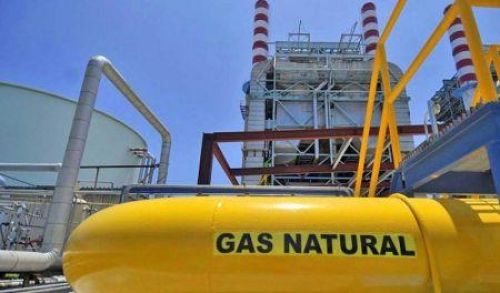
- Shifting from light crude oil to natural gas expected to lower electricity generation costs by 75%.
- Transition saved the government GH¢3.08 billion ($268.5 million) in energy fuel costs through June 2026.
- Plans underway for a new modular gas processing plant projected to generate $2bn in economic value and 1,000 jobs over five years.
Ghana’s transition from high-cost light crude oil to natural gas under the government’s Gas-to-Power Strategy is projected to slash electricity generation costs by at least 75%, Finance Minister Dr. Cassiel Ato Forson informed Parliament during the 2026 Mid-Year Fiscal Policy Review on Thursday.

Dr. Forson revealed that daily gas supply for thermal power generation expanded by an additional 35 million standard cubic feet per day (mmscfd) as of June 2026, pushing overall supply to approximately 490 mmscfd.
“This strategic shift is already delivering significant savings. By replacing light crude oil with natural gas, the government saved GH¢3.08 billion, equivalent to US$268.5 million, in fuel costs during the first half of 2026,” Dr. Forson stated. “The government remains firmly committed to its Gas-to-Power Strategy… replacing expensive light crude oil with cleaner and cheaper natural gas.”
Expansion via Modular Processing Facility
The 35 mmscfd increase in gas supply includes 10 mmscfd secured from OCTP partners led by Eni and 25 mmscfd supplied via NGas.
To consolidate these gains, the government is collaborating with private sector partners to construct a modular gas processing facility with a capacity of 100 mmscfd. Land acquisition for the site is complete, while environmental assessments, engineering designs, and financial due diligence remain ongoing.

Dr. Forson indicated that the project proposal will be submitted to Parliament shortly, with financial close anticipated before the end of 2026. Over the next five years, the facility is projected to create nearly 1,000 jobs and yield approximately $2 billion in economic benefits via foreign exchange preservation, tax revenue, and fuel cost reductions.