Atuguba: Supreme Court Ruling on OSP Case Could Reshape Ghana’s Entire Prosecution System
Former Supreme Court Justice William Atuguba says the outcome of the case will determine the balance of prosecutorial powers between the Attorney-General and independent bodies like the OSP under Ghana’s Constitution.
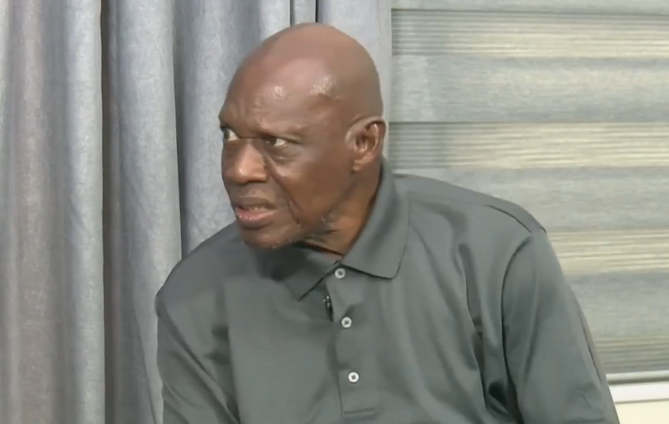
- Atuguba says the Supreme Court’s OSP ruling could reshape Ghana’s prosecution system
- The case questions the Attorney-General’s powers and delegation to the OSP.
- The OSP’s independence now depends on the Supreme Court’s final decision
Former Supreme Court Justice William Atuguba has warned that the Supreme Court’s final decision on the powers of the Office of the Special Prosecutor (OSP) could go beyond the current dispute and fundamentally reshape Ghana’s entire prosecutorial framework.
Speaking in an interview, Justice Atuguba said the case raises deep constitutional questions about how prosecutorial powers are exercised, shared, and limited under the 1992 Constitution.
He explained that the ruling will not only define the operational independence of the OSP but could also alter the relationship between the Attorney-General and other state institutions that exercise delegated prosecutorial authority.
“It’s not such a smooth-sailing legal matter,” he stated.
According to him, the case touches on key constitutional provisions, including Article 88, which vests prosecutorial power in the Attorney-General, and whether such authority can be lawfully delegated to bodies like the OSP.
Justice Atuguba noted that many of these delegation arrangements have existed for years without being fully tested under constitutional scrutiny, making the current case particularly significant.

He further suggested that long-held assumptions about the legality of such structures are now being challenged at the highest level.
The debate follows a recent High Court ruling which held that the OSP cannot initiate prosecutions without the approval of the Attorney-General—a decision the anti-corruption body is now appealing at the Supreme Court.
If upheld, the ruling would significantly limit the OSP’s independence and place its operations under tighter oversight by the Attorney-General’s office.
Justice Atuguba cautioned that whichever direction the Supreme Court takes, its judgment will set a binding precedent that will affect not just the OSP but the broader architecture of prosecution in Ghana.
He also highlighted the constitutional tension between Article 88 and the legislative intent behind the OSP Act, which was designed to insulate corruption prosecutions from political interference.
The OSP has since filed for a stay of execution of the High Court ruling to allow it to continue operations pending the final outcome of the appeal.
The Supreme Court is expected to deliver clarity on the matter in the coming months.