Trump Agrees to 2-Week Ceasefire with Iran as Hormuz Tensions Ease
Tehran signals safe passage through key oil route as last-minute deal averts major escalation
- Donald Trump agrees to a two-week ceasefire with Iran just before military deadline
- Iran indicates safe passage through the Strait of Hormuz if attacks stop
- Pakistan, led by Shehbaz Sharif, plays a mediation role
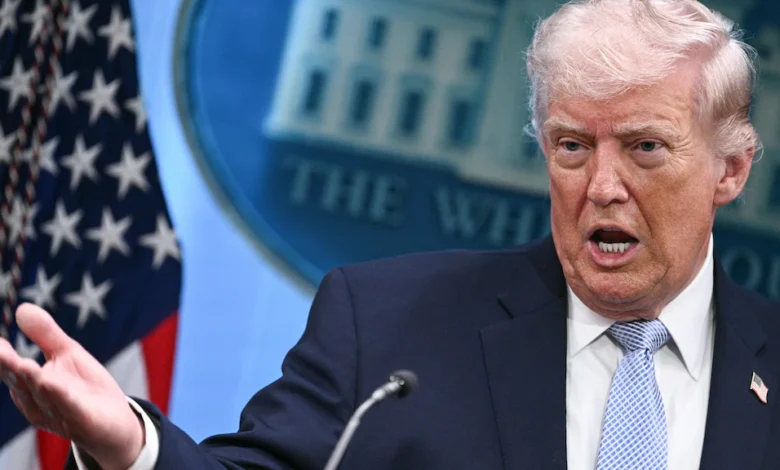
U.S. President Donald Trump has agreed to a two-week ceasefire with Iran, marking a dramatic shift from earlier threats of devastating attacks on Tehran’s civilian infrastructure.
The last-minute agreement came less than two hours before a U.S. deadline demanding Iran reopen the strategically vital Strait of Hormuz or face military consequences.
Iran, through Foreign Minister Abbas Araqchi, signaled willingness to halt counter-attacks and allow safe passage through the strait, provided hostilities against it cease.
Diplomatic Breakthrough
The ceasefire was facilitated by Pakistan’s leadership, with Prime Minister Shehbaz Sharif confirming plans to host U.S. and Iranian delegations in Islamabad for further talks.
Trump described the agreement as a “double-sided ceasefire”, claiming U.S. military objectives had already been achieved and expressing optimism about a long-term peace deal.
Iran, however, framed the outcome as a strategic victory, insisting Washington had accepted its conditions.

Conditions and Uncertainty
The ceasefire is conditional on Iran reopening the Strait of Hormuz, a critical global oil artery.
Israel, led by Benjamin Netanyahu, has backed the temporary pause but clarified it does not extend to operations in Lebanon, highlighting early signs of ambiguity in the deal.
Despite the announcement, missile exchanges continued shortly after, with Israel reporting launches from Iran and responding with strikes on military sites.
A source close to negotiations described the ceasefire as a “trust-building exercise,” warning Iran may be attempting to buy time.
Human and Economic Impact
The conflict, now in its sixth week, has resulted in more than 5,000 deaths, including over 1,600 civilians in Iran.
Global markets reacted positively to the ceasefire news:
- Oil prices dropped
- Stocks surged
- The U.S. dollar weakened
The reopening of the Hormuz route is expected to stabilize global energy supply chains and ease fears of a broader economic downturn.
Abrupt Policy Shift
Trump’s decision marks a sharp reversal from earlier rhetoric, where he warned that “a whole civilisation will die tonight” if Iran failed to comply.
Analysts say the move reflects growing pressure:
- Rising domestic opposition in the U.S.
- Economic strain from prolonged conflict
- Limited prospects of rapid regime change in Iran
Outlook
Negotiations are expected to continue over the two-week window, with both sides working toward a comprehensive agreement.
However, ongoing strikes and conflicting interpretations of the deal suggest the ceasefire remains fragile and uncertain.