Foreign Remittances Reach $7.8bn in 2025 – Mahama
Diaspora contributions set historic record, strengthening Ghana’s economy and foreign exchange stability.
- Ghana recorded its highest-ever annual remittance inflow of $7.8 billion in 2025.
- President Mahama described the diaspora as the country’s most reliable development partner.
- Funds from abroad are supporting households, education, housing, small businesses, and stabilizing foreign exchange.
President John Dramani Mahama has revealed that remittances from Ghanaians living abroad reached a record-breaking $7.8 billion in 2025, describing the diaspora as the nation’s most dependable development partner.
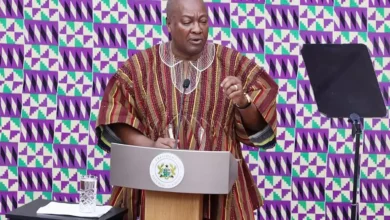
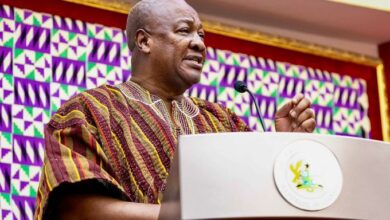
Delivering his State of the Nation Address to Parliament on Friday, the President said the amount represents the highest annual remittance inflow ever recorded in Ghana’s history. He emphasized the vital role expatriate Ghanaians continue to play in supporting and stabilizing the country’s economy.
“Mr. Speaker, I am pleased to report that remittances from our relatives abroad — the Ghanaian diaspora — reached a historic high of $7.8 billion in 2025,” he told lawmakers.
President Mahama attributed the milestone to growing confidence in the country’s economic direction, as well as the unwavering patriotism of Ghanaians overseas. According to him, the impact of these funds is visible across communities nationwide.
He explained that remittances directly support households, fund education, finance housing projects, provide start-up capital for small businesses, and help strengthen Ghana’s foreign exchange position.
The President noted that remittances have increasingly become a key pillar of the Ghanaian economy, often exceeding foreign direct investment and traditional aid. Unlike institutional funding, he stressed, these transfers go straight to families and small entrepreneurs, making their impact more immediate and personal.

In a pointed comparison, President Mahama praised the diaspora for their consistent and unpublicized support, highlighting that their contributions come without the contractual obligations and conditions typically attached to international assistance.
“In many respects, our diaspora has become one of the country’s most reliable development partners,” he said.
“Without contracts, conditionalities, or fanfare, they remain among our most dependable partners in development.”