Mahama Urges NDPC to Forge Unified Development Roadmap for Ghana’s Future
President Mahama emphasizes the importance of a unified, long-term development strategy that transcends political cycles and reflects national consensus.
- Mahama directs NDPC to merge existing development frameworks into one cohesive national strategy
- Emphasizes collaboration with Parliament and public representatives to ensure broad national consensus
- Advocates for a stable, adaptable development plan that addresses both domestic and global challenges
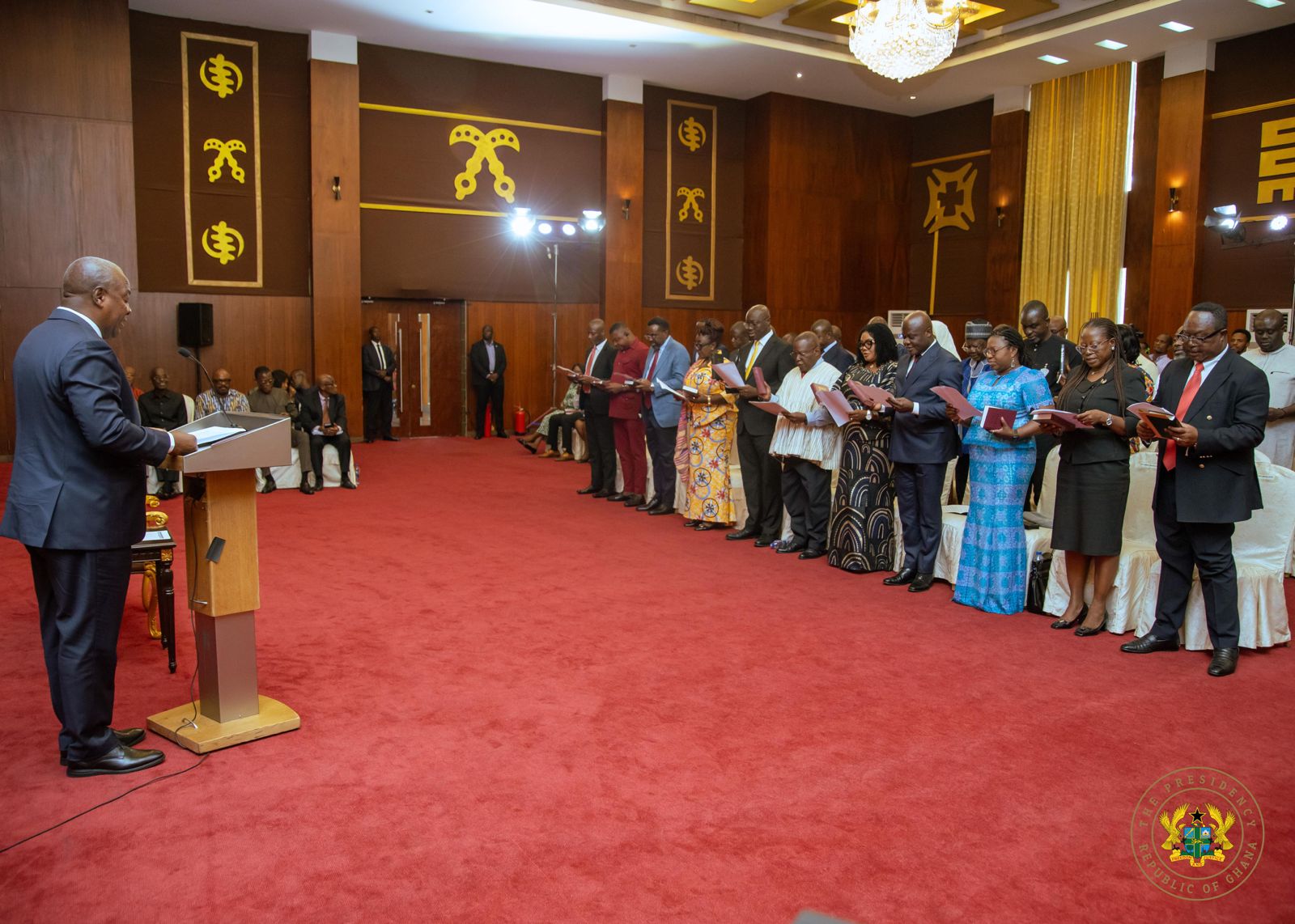
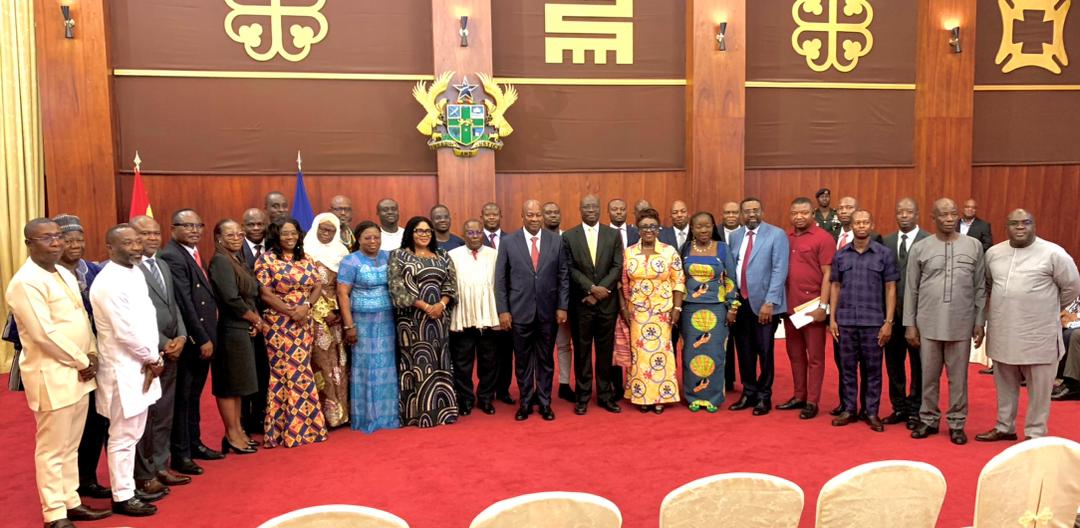
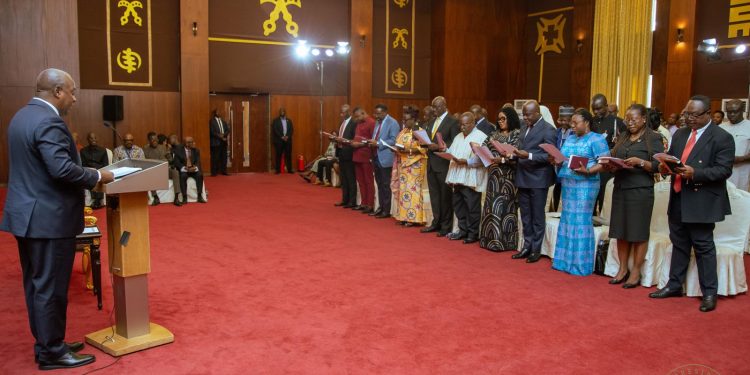
President John Dramani Mahama has instructed the newly inaugurated National Development Planning Commission (NDPC), in partnership with Parliament, to merge all existing development plans into one comprehensive and inclusive national framework.
Speaking at the launch of the 37-member commission, led by Nii Moi Thompson on May 19, Mahama emphasized that Ghanaians are increasingly seeking a long-term development agenda that benefits both current and future generations.
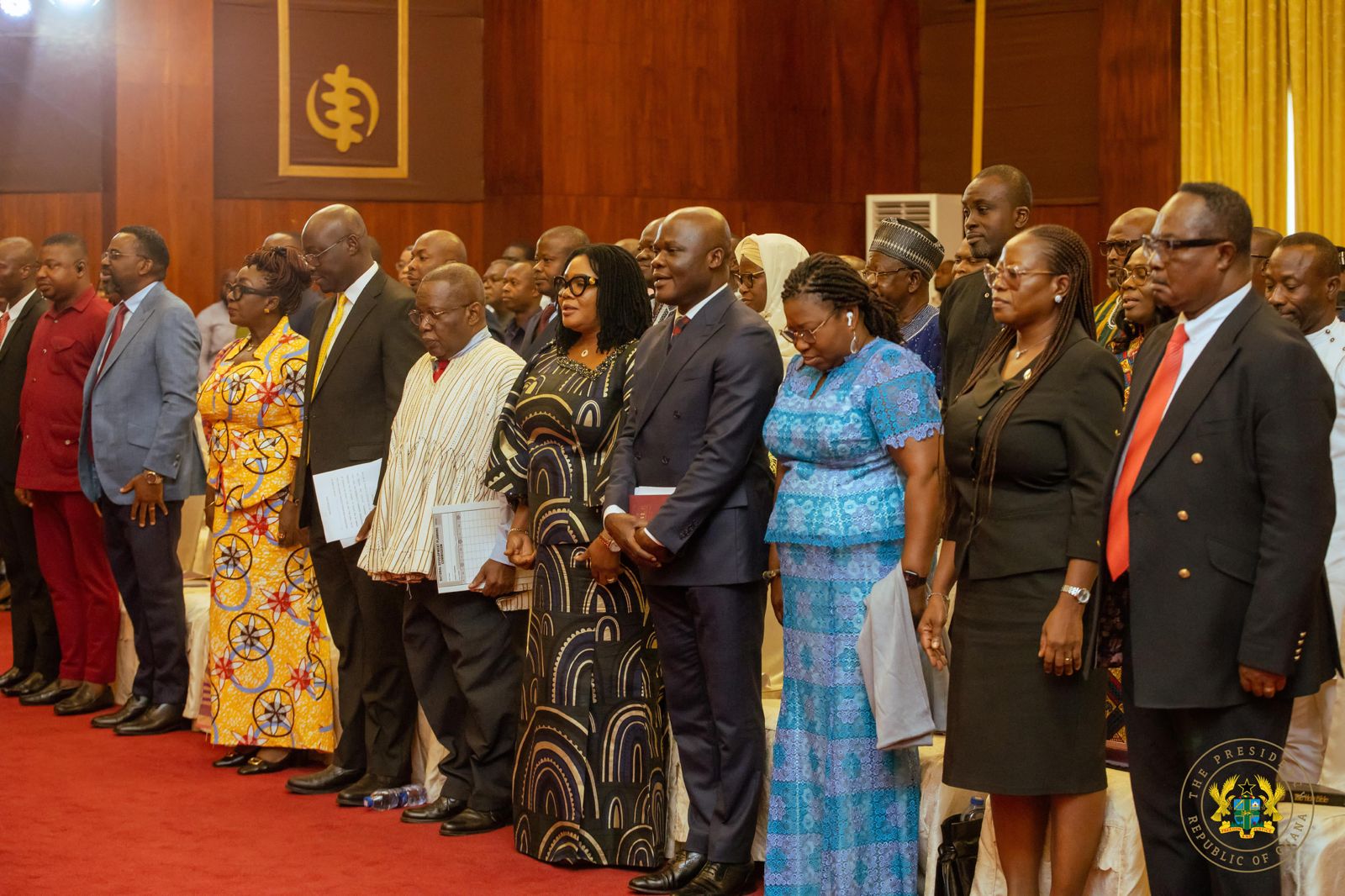
He stressed the need for a stable, predictable path to national development that rises above political cycles.
Mahama called for the integration of various frameworks like the Ghana Beyond Aid Charter, the Ghana@100 long-term development agenda, and the Vision 2057 perspective into a unified, forward-thinking national development plan.


The President urged the NDPC to work closely with Parliament and other representatives of the people to ensure that the final plan reflects a broad consensus and remains adaptable to both domestic and global challenges. Regular reviews and updates will be necessary for the plan’s continued relevance and effectiveness.