Zimbabwe Introduces Bill to Extend Presidential Term to 2030
Opposition warns of democratic backsliding as government proposes sweeping changes to elections and parliamentary terms.
- Zimbabwe introduces bill to extend presidential term to 2030
- Proposal seeks to end direct presidential elections and expand parliamentary terms
- Opposition warns the move could undermine democracy and entrench ruling party power
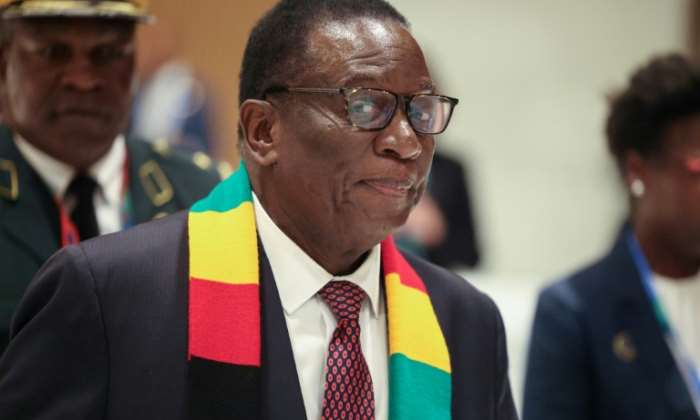
Zimbabwe’s Justice Minister has presented a highly controversial constitutional amendment bill to parliament, proposing far-reaching changes that could extend President Emmerson Mnangagwa’s rule until 2030.
The proposed legislation, introduced on Tuesday, seeks to significantly reshape the country’s electoral system, including a move to remove direct presidential elections and allow parliament to appoint the head of state instead.
If passed, the reforms would effectively extend the president’s tenure beyond the current constitutional limit and eliminate general presidential elections entirely.
In addition, the bill proposes extending the tenure of members of parliament from five years to seven years, a change critics say would further consolidate political power within the ruling establishment.
The ruling Zanu-PF party, which holds a commanding majority in parliament, is widely expected to push the bill through despite growing public criticism and legal challenges already being prepared by opposition groups.
Justice Minister Ziyambi Ziyambi defended the proposal, insisting that the government remains committed to advancing the constitutional amendments through parliamentary debate.


He also claimed that a 90-day public consultation process had been conducted successfully. However, opposition groups have alleged that the process was marred by intimidation and violence targeting activists and dissenting voices.
Critics argue that the proposed changes are aimed at entrenching the ruling party’s long-standing dominance over Zimbabwean politics, warning that the country is sliding further away from democratic governance.
The government has faced persistent accusations of corruption, economic mismanagement, and political repression, amid years of severe economic instability.
President Mnangagwa came to power in 2017 following a military-assisted transition that ousted former president Robert Mugabe, who had ruled for nearly four decades.
Mnangagwa is currently serving his second five-year term, which under the existing constitution is expected to be his final term in office.
The proposed constitutional overhaul has intensified political tensions, with critics warning it could significantly undermine democratic processes and citizen participation in future elections.