Uganda Reopens Internet for Commerce, Maintains Social Media Blackout After Museveni Victory
Uganda restores internet for businesses while keeping social media platforms blocked, as President Museveni claims a seventh term amid opposition protests and international criticism
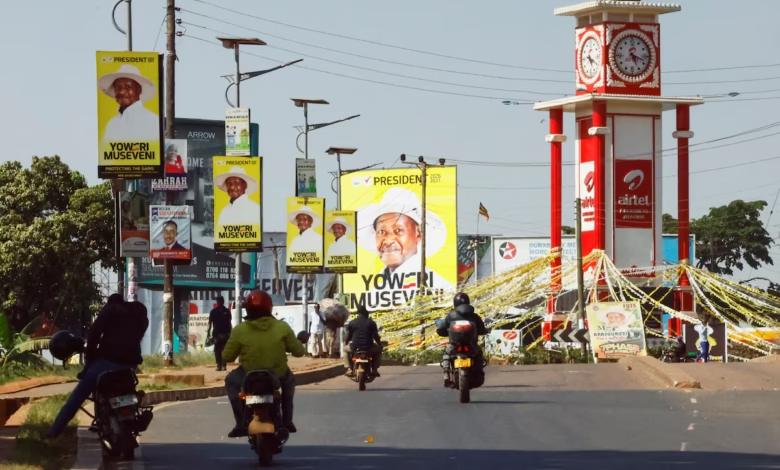
- Uganda reopened internet access for businesses late Saturday, while social media platforms like Facebook and X remain blocked
- President Yoweri Museveni secured 71.6% of the vote, extending his nearly five-decade rule
- Scattered protests erupted after results were announced
Uganda has partially restored internet services following President Yoweri Museveni’s re-election, allowing businesses to resume online operations while social media platforms remain blocked amid heightened political tension.
Users began reporting access to the wider internet late Saturday night, around 11 p.m. local time, shortly after electoral authorities declared Museveni the winner of a fiercely contested vote that extends his rule to nearly 50 years.
However, platforms such as Facebook, X and WhatsApp were still inaccessible.
Telecom operators said the move followed direct instructions from the Uganda Communications Commission (UCC).
“We have restored internet so that businesses that rely on it can resume work,” Airtel Uganda spokesperson David Birungi said, confirming that regulators ordered social media services to stay offline.
The UCC had earlier defended the nationwide shutdown — imposed days before Thursday’s election — as a necessary measure to prevent misinformation, disinformation, electoral fraud and related risks. Opposition leaders dismissed that explanation, accusing the government of using digital restrictions to manipulate the electoral environment in favour of the incumbent.

On Saturday, the Electoral Commission declared Museveni, 81, the winner with 71.6% of the vote. His main challenger, opposition leader and former pop star Bobi Wine, secured 24%, according to official figures. Wine has rejected the outcome, alleging widespread fraud.
International observers were critical. A joint mission from the African Union and regional bodies condemned both the internet blackout and the heavy involvement of the military in the election process.
“The shutdown limited access to information, restricted economic activity, and created mistrust in the electoral process,” the observers said in their report.
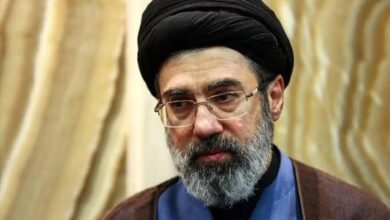
Museveni, who has ruled since 1986, is now set to remain in office until at least 2031. He is widely believed to be grooming his son, Army Chief Muhoozi Kainerugaba, who has openly expressed presidential ambitions, as a potential successor.
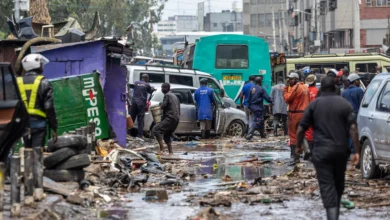
Tensions spilled onto the streets following the announcement of results. In Magere, a Kampala suburb where Wine lives, youths burned tyres and erected roadblocks before police dispersed them using tear gas. Police spokesperson Racheal Kawala said the situation had been brought under control and arrests were made, without giving details.
Wine’s whereabouts remained unclear early Sunday. He said on X that he had evaded a military raid on his home, while associates said he was hiding at an undisclosed location inside Uganda. He was briefly placed under house arrest after the 2021 election.
The opposition leader has also claimed that hundreds of his supporters were detained and tortured in the run-up to the vote — allegations the government strongly denies, insisting all arrests followed due legal process.