Trump Announces 25% Tariff on Countries Doing Business with Iran
President Trump imposes a 25% tariff on countries trading with Iran as anti-government protests leave hundreds dead, while US officials weigh military and cyber options to respond to the escalating crisis.
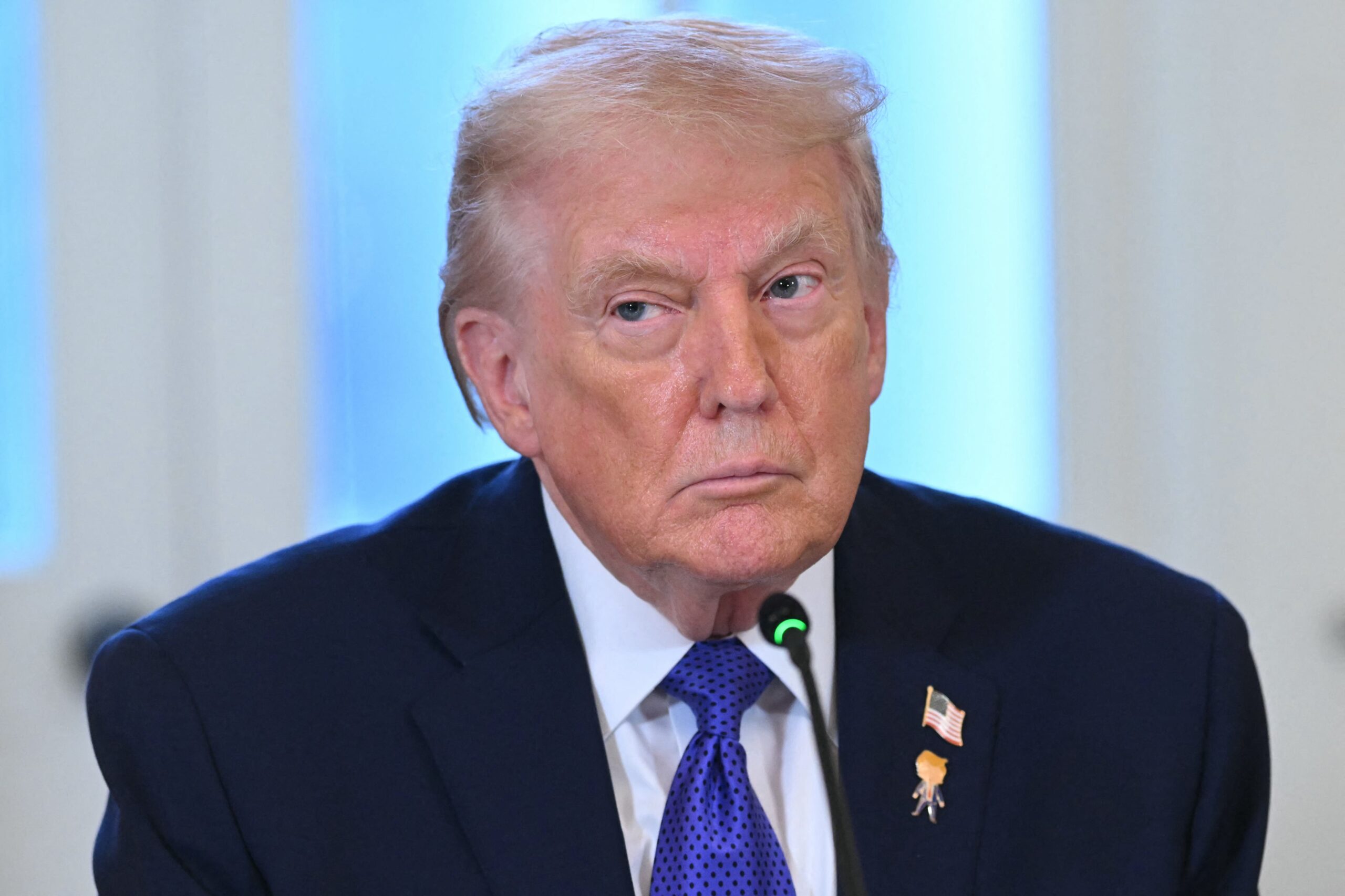
- President Trump has announced a 25% tariff on goods from countries doing business with Iran amid deadly anti-government protests
- US officials are reviewing a range of options, including military strikes, cyber operations, and psychological campaigns, to respond to the crisis
- Iran faces economic collapse and rising unrest
US President Donald Trump has announced a sweeping 25% tariff on goods from countries that continue to do business with Iran, escalating pressure on Tehran amid a deadly crackdown on anti-government protests and rising tensions between Washington and the Iranian regime.
The announcement, made on Monday via Trump’s Truth Social platform, comes as human rights groups report that more than 600 protesters have been killed in just three weeks of unrest across Iran.
“This order is final and conclusive,” Trump declared, without offering further details on how the tariffs would be implemented.
The move signals a sharp tightening of the US stance toward Iran, already reeling under heavy sanctions, a collapsing currency and soaring inflation that has pushed food prices up by as much as 70%.
According to two US Department of Defense officials, the president has been briefed on a broad range of military and covert options should the crisis escalate further. These include long-range missile strikes, cyber operations, psychological campaigns and measures aimed at disrupting Iranian command and communication systems.
While air power is expected to form the backbone of any potential US military response, Pentagon planners are also exploring non-kinetic options, the sources said.

Trump has previously warned that the US military is considering “very strong options” if more protesters are killed. He also claimed Iranian leaders had reached out to him to negotiate, but cautioned that Washington “may have to act before a meeting”.
Iran’s Foreign Minister has said Tehran remains open to talks with the United States, but stressed that the country is also “prepared for war”.
A high-level meeting of Trump’s national security team is expected at the White House on Tuesday to discuss Iran, although it remains unclear whether the president himself will attend.
White House Press Secretary Karoline Leavitt confirmed that an Iranian official had contacted Trump’s special envoy, Steve Witkoff, noting a sharp contrast between Tehran’s public rhetoric and its private messages.
“The president is unafraid to use military options if and when he deems necessary,” she warned.
The White House has also urged US citizens in Iran to leave the country or ensure they have exit plans that do not rely on US government assistance.
Iran’s Supreme Leader, Ayatollah Ali Khamenei, has accused the United States of “deceit” and relying on “treacherous mercenaries”, while praising state-organised pro-government rallies held on Monday across several cities. State media reported large crowds at the demonstrations, even as citizens were warned against joining anti-government protests.
The unrest, sparked by economic collapse and mismanagement, has evolved into a broader crisis of legitimacy for Iran’s leadership. Iran’s currency has plunged, inflation has surged, and shortages could worsen as the new US tariffs threaten trade flows. China remains Iran’s largest trading partner, followed by Iraq, the United Arab Emirates, Turkey and India.
Adding to the pressure, Reza Pahlavi, son of Iran’s last shah and now living in exile in the US, has urged Trump to intervene quickly to curb the rising death toll.
“I think the president has a decision to make fairly soon,” Pahlavi told CBS News, describing Trump as a leader who “means what he says and says what he means”.
At least 648 protesters, including nine minors, have been killed, according to Norway-based Iran Human Rights. Sources inside Iran suggest the true figure may be far higher, though reporting has been severely hampered by an internet blackout and restrictions on international media.