‘Touch One, Touch All’ – GNAT Warns on Violence Against Teachers
GNAT President Rev. Isaac Owusu demands safer schools and warns of collective action over attacks on teachers.

- GNAT has warned that it will invoke the principle of “touch one, touch all” if attacks on teachers continue
- The teachers’ union is demanding safe and secure school environments
- GNAT also used the platform to press for better salaries, improved working conditions, and policy reforms
The Ghana National Association of Teachers (GNAT) has issued a strong warning against rising violence and assaults on teachers, declaring that the union will respond collectively if attacks on educators continue.
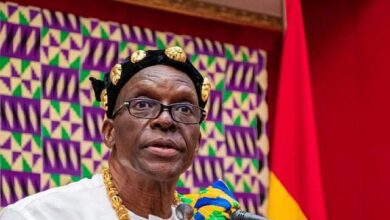
Speaking at the 7th Quadrennial (54th) National Delegates Conference on Monday morning, GNAT President Rev. Isaac Owusu said teachers across the country are increasingly working under unsafe conditions, with some facing physical attacks — including from students.
Rev. Owusu stressed that it is the responsibility of employers and the state to ensure that schools are safe and secure workplaces for teachers.
“Teachers are being attacked, even by students. This cannot be allowed to continue,” he said.
The GNAT president noted that government has declared zero tolerance for teacher assaults and brutality this year, warning that the union will not hesitate to act if such incidents occur.
“If it happens this year, teachers will invoke the spirit and solidarity of ‘touch one, touch all’,” he cautioned.

Beyond security concerns, Rev. Owusu highlighted what he described as an ongoing crisis in teachers’ conditions of service, pointing to low salaries that do not reflect the hard work of educators.
He called for an immediate review of the Single Spine Pay Policy to align with the government’s resetting agenda, alongside improved salaries, dedicated funding for public basic education, and urgent pension reforms.
Rev. Owusu also reaffirmed GNAT’s long-standing role in national development, noting that the union has consistently contributed to educational, social, and economic discourse in Ghana.
He urged government and stakeholders to act decisively to protect teachers, improve their welfare, and safeguard the future of education in the country.