“This Is Not the Ghana Our Forefathers Dreamed Of” — Ing. Kwabena Agyepong Sounds Alarm on Democracy
Former NPP General Secretary says statistics mean little as unemployment, poverty, and frustration deepen
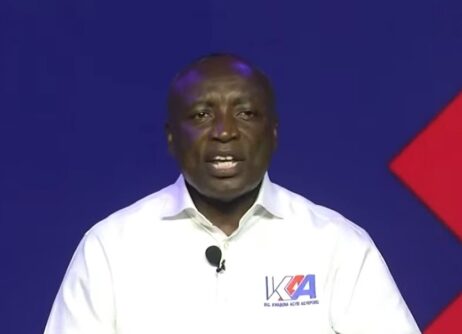
- Kwabena Agyepong says Ghana’s democracy has failed to translate elections into real economic opportunities
- He identifies rising unemployment
- Agyepong points to weak institutions, galamsey, poor sanitation, and struggling social services as evidence
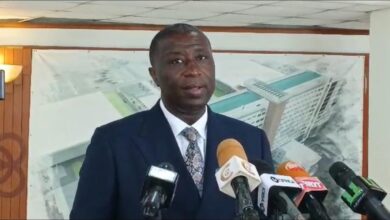
Former New Patriotic Party (NPP) General Secretary, Ing. Kwabena Agyei Agyepong, has questioned the effectiveness of Ghana’s democratic journey, arguing that it has fallen short of the aspirations of the nation’s founding fathers and the expectations of ordinary citizens.
Unveiling his policy vision in Accra, Mr. Agyepong challenged Ghanaians to honestly assess whether the country today reflects the freedom, dignity, and prosperity envisioned at independence. He noted that while official statistics may suggest progress, the everyday experiences of citizens tell a more troubling story.
“Is this the Ghana we fought for? Is this the country our forefathers dreamed of?” he asked, stressing that numbers alone cannot capture the hardship many Ghanaians endure daily.
According to him, the growing frustration among the youth—especially unemployed graduates—highlights a deeper systemic failure. He described widespread unemployment, persistent poverty, and poor sanitation as clear indicators that the current system is not working for the majority.
Mr. Agyepong argued that weaknesses across key sectors such as education, healthcare, governance, and infrastructure have denied many citizens the opportunity to reach their full potential. He further cited illegal mining (galamsey) as evidence of weak oversight and governance, warning that its destructive impact threatens the country’s long-term development.
“Democracy has not created enough hope for our people,” he stated. “It has not yielded the expected outcomes, and this is not our destiny. This is not the dream of our forefathers.”

He cautioned that without bold and urgent reforms, millions of Ghanaians would remain trapped in a system that prioritizes impressive figures over real improvements in living conditions.
Lamenting the fading promise of independence, Mr. Agyepong said the optimism of earlier generations has been overshadowed by unemployment, inadequate social services, poor sanitation, and governance challenges that continue to undermine national well-being.
“Yes, we see the numbers, but more importantly, we feel the reality,” he said. “And that reality is frustrating—especially for the youth.”
He concluded by urging young people to take decisive action at the polls and support his vision, which he says is aimed at fixing the deep structural problems holding Ghana back.