Rising Political Polarisation Threatens Ghana’s Unity – Prof. Oquaye Sounds Alarm
Former Speaker calls for urgent national agenda to bridge divides and restore public trust in governance
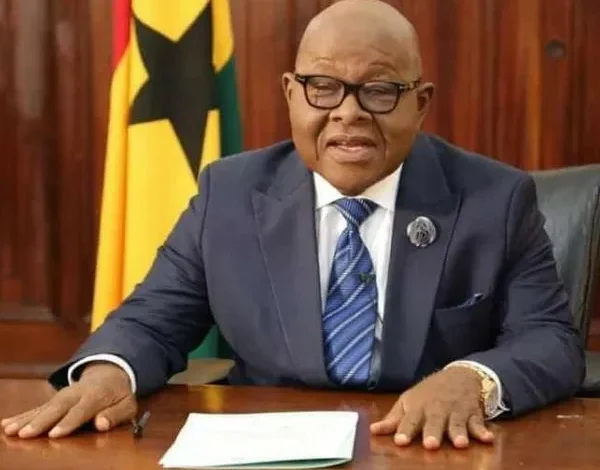
- Prof. Oquaye warns divisions are threatening Ghana’s national unity
- Many matters are handled politically, undermining the rule of law
- He urges structured political participation to prevent frustration and strengthen cohesion
Former Speaker of Parliament, Prof. Mike Oquaye, has sounded the alarm over increasing political polarisation in Ghana, cautioning that it undermines national cohesion and weakens confidence in the rule of law.
In an interview on Monday, December 15, Prof. Oquaye highlighted that the country has become excessively divided and called for a deliberate national agenda to address the deepening rifts.
He observed that many issues that are essentially legal in nature are instead being approached through a political lens, eroding public trust in legal processes and harming societal harmony.
“Ghana is too polarised. There is a need for a structured approach to address this division and foster national cohesion. Many matters are purely legal, yet they are politicised, which works against the rule of law. This is detrimental to our society,” Prof. Oquaye noted.
He stressed that addressing polarisation requires the input of experienced leaders who have held public office and understand the dangers of entrenched political divisions.
Prof. Oquaye added that even activities that traditionally unite Ghanaians, like football, are no longer serving as common ground, reflecting the severity of the divide. He further emphasised the need for a political framework that allows meaningful participation for various groups, warning that exclusion could breed frustration and desperation, ultimately harming national unity.

“The political space must be structured to accommodate different levels of engagement for different categories of people. This is essential; otherwise, it leads to frustration and desperation within the political process,” he said, urging urgent action to reverse the trend.