Resetting Ghana Begins in Beijing: A Quiet Diplomatic Signal of a 24-Hour Economic Future
A quiet diplomatic move pointing to Ghana’s 24-Hour economic future.
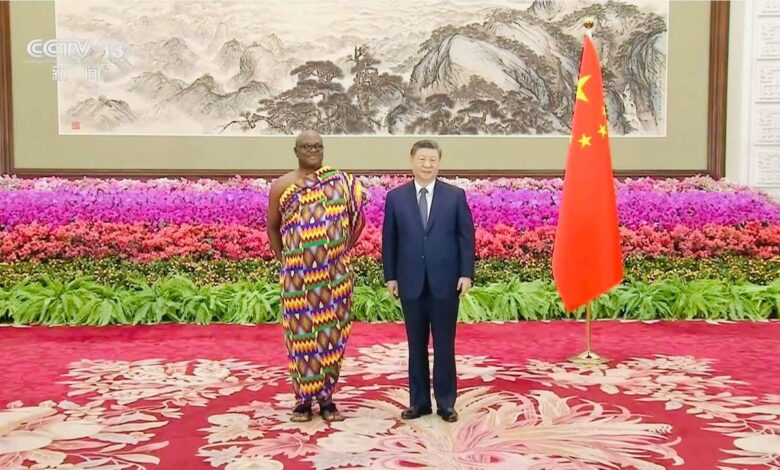
- Ghana signals a strategic economic reset through high-level engagement with China.
- The 24-Hour Economy is positioned as a production-driven, not rhetorical, vision.
- Economic diplomacy emerges as a key tool for industrial growth and jobs.
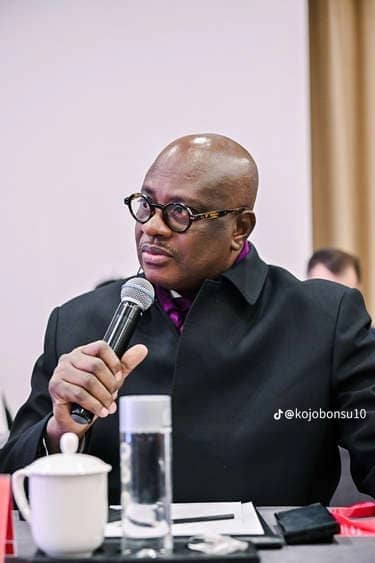
Within the formal confines of the Chinese Presidency—far removed from campaign rhetoric and public spectacle—Ghana’s Ambassador to the People’s Republic of China, H.E. Kojo Bonsu, carried out a ceremonial duty with far-reaching strategic implications: the presentation of his Letters of Credence to President Xi Jinping.
This was no routine diplomatic rite. It was a quiet but deliberate signal—one that suggests Ghana may be recalibrating its economic posture, rethinking its production philosophy, and redefining its global partnerships.
As Ghana looks toward a renewed chapter under President John Dramani Mahama, the concept of a 24-Hour Economy is emerging not as a political catchphrase, but as a structural ambition. It envisions continuous production, seamless logistics, export-driven industrialisation, and employment that transcends daylight hours. Such an economy cannot be summoned by speeches alone. It must be engineered—intentionally, strategically, and with a global outlook.
Behind closed doors, Ambassador Bonsu’s engagement with President Xi represents an early diplomatic bridge in that engineering process. China’s development trajectory—anchored in manufacturing scale, rapid infrastructure delivery, industrial parks, special economic zones, and thriving night-time economies—offers lessons Ghana can no longer afford to overlook.
The significance of this meeting lies not in imitation, but in intention: to learn, adapt, and localise these lessons within Ghana’s own social, cultural, and economic context.
Resetting Ghana, therefore, goes beyond domestic policy reform. It extends into economic diplomacy—how Ghana positions itself in Beijing, how it negotiates technology transfer, how it secures industrial partnerships, and how foreign relations are aligned with national productivity objectives.

This moment in Beijing underscores a fundamental truth: successful nations do more than trade—they strategise. They do not merely attend ceremonies; they quietly prepare for the future.
If Ghana’s 24-Hour Economy is to move from vision to viability, it will demand more disciplined engagements like this, fewer grand proclamations, and a foreign policy grounded in one clear understanding—development is intentional.
Nations are not reset by rhetoric, but by the quiet discipline of strategic choices.
This appointment marks the opening move of a potentially game-changing era under H.E. John Dramani Mahama.